You send a CSAT survey after every support ticket. Fewer people answer it each quarter. The ones who do answer don't always tell you much. If that sounds familiar, you're not alone, and the fix is bigger than a better subject line.
The Numbers Behind the Decline
Only 3 in 10 customers now give companies direct feedback, according to Qualtrics' 2026 Consumer Experience Trends report. A year earlier, the same research found that 32% of consumers shared feedback directly with a company, down 7.7 points since 2021. Most people tell friends and family instead.
Gartner puts the average customer service survey response rate at 23%. That leaves more than three quarters of your customers unheard.
Who still answers
The people who reply aren't a random sample. Qualtrics found that surveys skew positive, while emails and phone calls skew negative. So your CSAT score can look healthy while unhappy customers vent somewhere else.
- 3 in 10Customers who give direct feedbackSource: Qualtrics
- 32%Consumers who shared feedback a year earlierSource: Qualtrics
- 23%Average service survey response rateSource: Gartner
Figures as cited in this article
Why CSAT Surveys Stopped Working
Customers get more survey requests than ever. “Survey fatigue is real,” Qualtrics president Brad Anderson told Fortune, adding that many emailed requests now feel like spam.
The bigger issue is effort and relevance. Gartner's 2024 research found that 81% of consumers say they give feedback at least some of the time when asked. Response rates drop when the survey feels long or off topic.
The problem with a single score
A CSAT score tells you how a customer felt. It rarely tells you why. Without the reason, your team can't fix anything. That's why a falling response rate hurts twice. You get fewer scores and even fewer comments.
Survey fatigue is real
Qualtrics president Brad Anderson, to Fortune
What Should Replace the Standalone CSAT Survey
Keep the score. Change how you collect it and what you pair it with. Gartner predicted that by 2025, 60% of organizations with VoC programs would add voice and text analysis to their surveys. Your support tickets and chat logs already hold the reasons behind most low scores.
Keep the score and add context
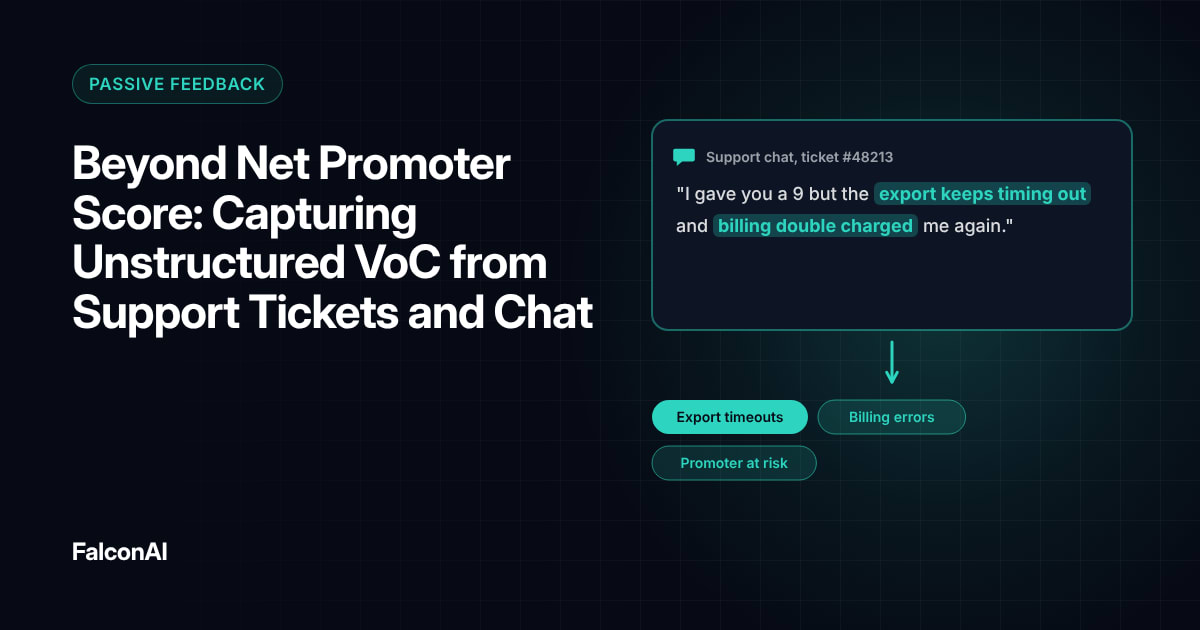
Ask one question at the right moment, then let customers add a comment if they want. Pull ticket text into the same view as your scores. Our guide to unstructured VoC from support tickets and chat shows how. A platform built for CSAT analysis can then tag themes across both.
Keep the score and add context
Standalone CSAT survey
- Tells you how a customer felt
- Rarely tells you why
- Fewer scores, even fewer comments
Score plus context (the approach the article favours)
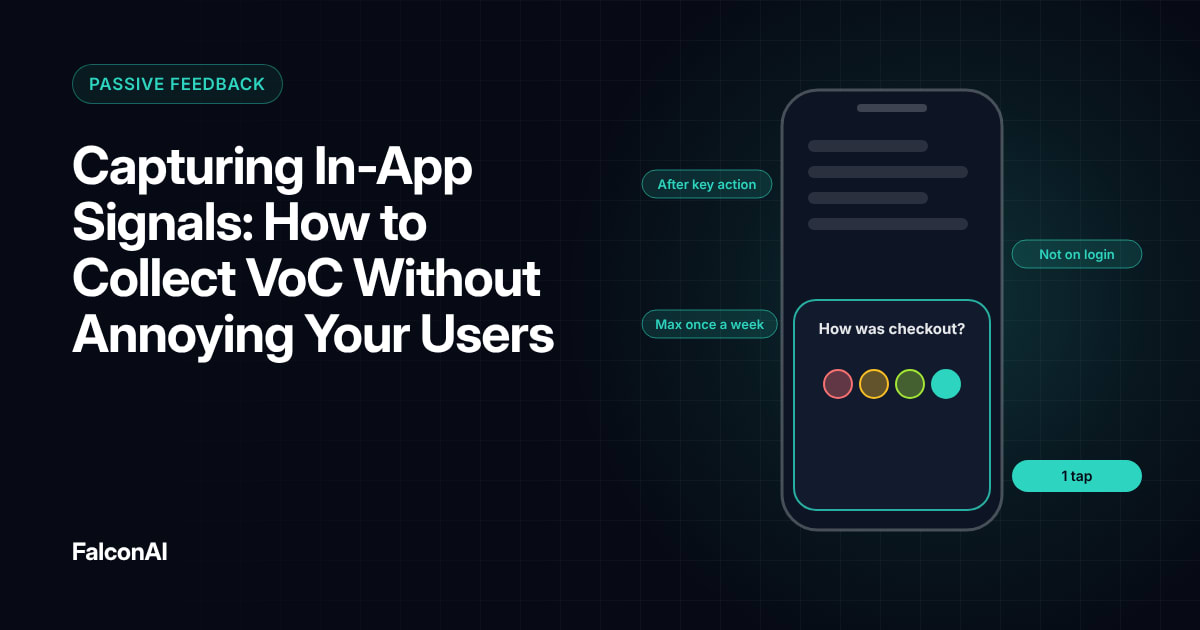
- One question at the right moment
- Optional comment
- Ticket text in the same view
Free review snapshot
See what your customers are saying, before you talk to us.
No commitment. We use your details only to send your snapshot and follow up. Privacy policy
How to Make the Switch
Start small. You don't need to rebuild your whole program at once.
- Audit every survey you send and cut any you don't act on.
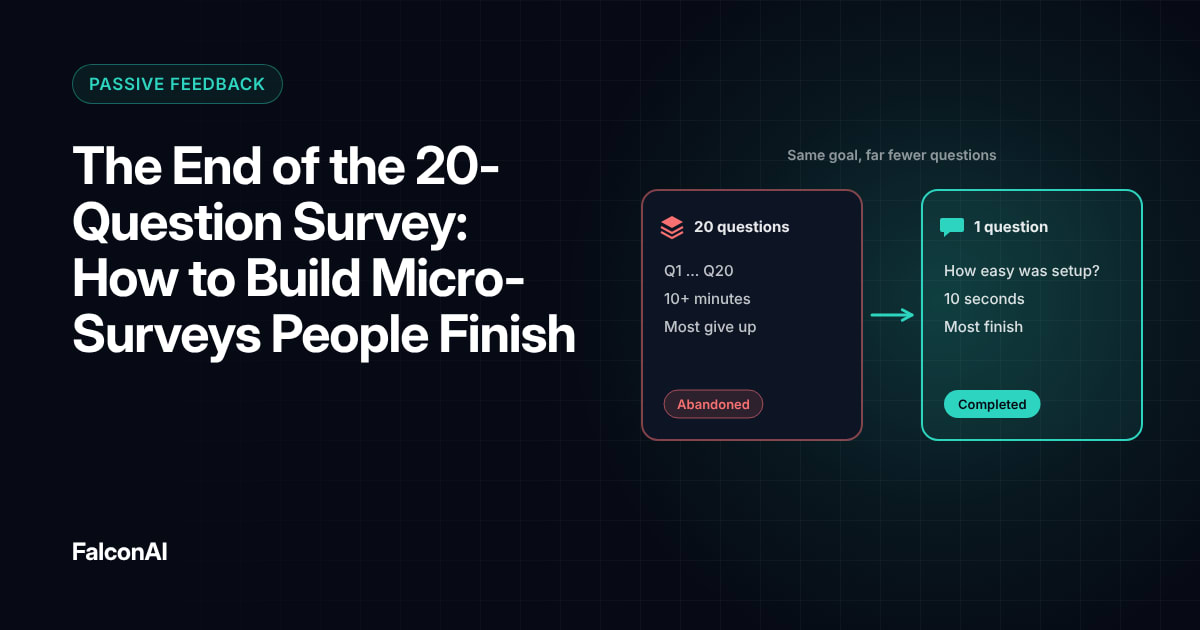
- Shrink each CSAT survey to one or two questions.
- Connect your helpdesk through integrations.
- Review top themes every week with the teams who own them.
Measure the change
Track your response rate and the share of low scores with a clear reason. If both rise, your program is working. For survey design tips, read our post on micro-surveys. Want to see your own CSAT data this way? Book a demo.
Frequently asked questions
Is CSAT still a useful metric?
Yes. CSAT still tracks how customers feel about specific moments. It works best when you pair the score with comments and support data that explain it.
What is a good CSAT survey response rate?
Gartner reports an average of 23% for customer service surveys. Short surveys sent right after an interaction usually beat that.
What can replace CSAT surveys?
Most teams keep a short CSAT question and add unsolicited feedback, like support tickets and chat logs, analyzed with AI.
Why are customers not responding to surveys?
They get too many requests, and many surveys feel long or irrelevant. Customers also stop answering when nothing changes after they give feedback.
How many questions should a CSAT survey have?
One or two. Ask for a rating, then give an optional comment box.
What is unsolicited customer feedback?
It's feedback customers give without being asked, such as support tickets and online reviews.