Support and success teams hear complaints every day. Most handle each one well. Far fewer notice when the same complaint keeps coming back. Training them to spot patterns turns daily firefighting into lasting fixes.
Why Patterns Get Missed
Frontline teams are busy. Salesforce's sixth State of Service report, published in 2024, found that agents spend just 39% of their time actually serving customers. The rest goes to internal meetings and admin work. That leaves little time to step back and see the bigger picture.
Expectations keep rising
The same report found that 86% of service professionals believe customer expectations are rising. Zendesk's 2025 CX Trends Report found that 63% of consumers would switch to a competitor after one bad experience. Recurring issues add up fast.
- 39%of agents' time is spent serving customersSource: Salesforce State of Service, 2024
- 86%of service pros believe expectations are risingSource: Salesforce State of Service, 2024
- 63%would switch after one bad experienceSource: Zendesk 2025 CX Trends Report
Figures as cited in this article
Teach the Difference Between Tickets and Patterns
A single complaint needs a good resolution. Five similar complaints in a week need a root cause. Train teams to ask one question after every tough case: have I seen this before? Patterns often hide in different wording, so encourage agents to look past exact phrases.
Give them simple signals
- The same issue appears several times in a week.
- Several customers use similar words to describe a problem.
- A complaint shows up after a recent release or policy change.
- High-value accounts raise the same concern.
Ticket or pattern?
A single complaint
- One customer, one case
- Needs a good resolution
A pattern (the approach the article favours)
- Five similar complaints in a week
- Often hides in different wording
- Needs a root cause
Build a Clear Escalation Path
Spotting a pattern is useless if nobody hears about it. Give teams one simple way to flag patterns, like a tag or a shared channel. Make sure someone reviews those flags every week and routes them to the right owner. Keep the form short so flagging takes less than a minute.
Close the loop with the team
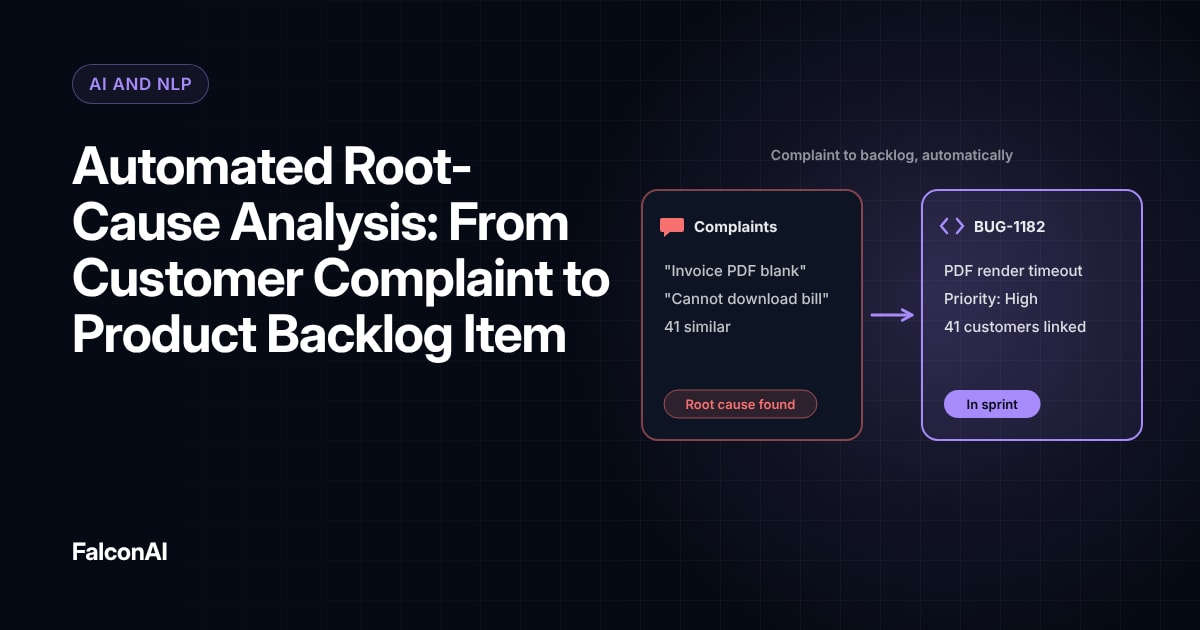
Tell the agent who flagged the pattern what happened next. When people see their flags lead to fixes, they keep flagging. Our guide to root cause backlogs explains how to track patterns through to resolution.
A clear escalation path
- Flag the patternWith a tag or a shared channel
- Review flags weekly
- Route to the owner
- Tell the agentWhat happened next
Free review snapshot
See what your customers are saying, before you talk to us.
No commitment. We use your details only to send your snapshot and follow up. Privacy policy
Strengthen Knowledge Along the Way
Many repeat complaints come from gaps in help content. A 2024 Gartner survey found that 61% of service leaders have a backlog of knowledge articles to edit. Kim Hedlin of Gartner noted that leaders “cannot ignore existing issues with knowledge management.” Train teams to suggest article updates when they spot a pattern.
Use AI to help
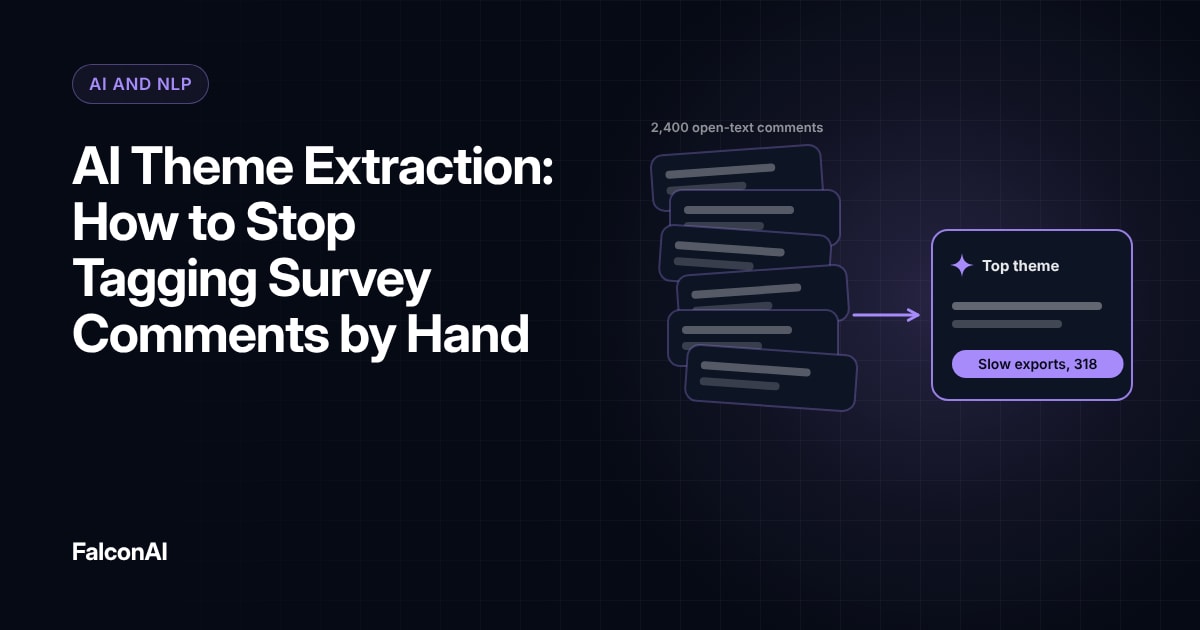
Zendesk found that 73% of agents believe an AI copilot would help them do their job better. AI can group similar tickets and surface patterns agents might miss. Our post on AI theme extraction shows how.
Make It Part of Training
Add pattern spotting to onboarding for new hires. Run short monthly sessions where teams review real examples together. Role-play how to escalate a pattern clearly and calmly. Invite product or engineering to join a session now and then so agents see how their flags get used.
Measure the impact
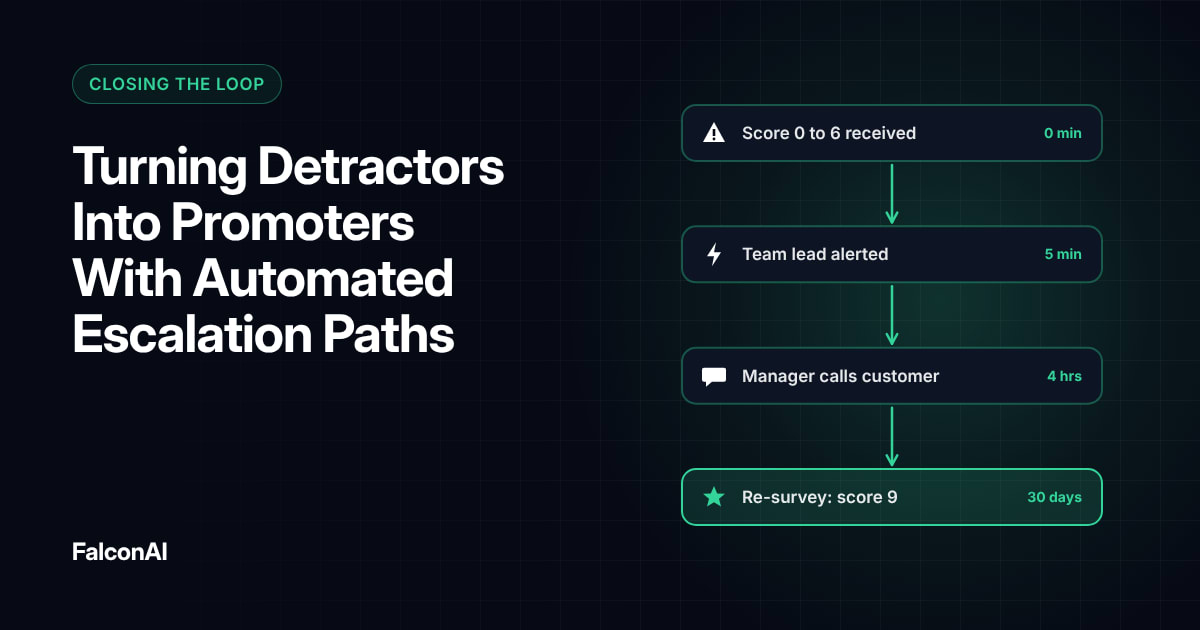
Track how many patterns teams flag and how many lead to fixes. Watch whether repeat contacts drop over time. Our guide to detractor escalation covers handling the most unhappy customers. You can spot negative patterns automatically with CSAT analysis, or book a demo.
Frequently asked questions
What is a negative feedback pattern?
It's a complaint that keeps coming up from different customers or in different cases.
Why do support teams miss patterns?
They're busy handling individual cases and rarely have time to look across them.
How should agents flag patterns?
Use one simple method, such as a shared tag or channel, that someone reviews weekly.
How does knowledge management help?
Updated help articles stop many repeat complaints before they reach agents.
Can AI help spot patterns?
Yes. AI can group similar tickets and highlight issues that keep coming back.
How do you measure success?
Track how many flagged patterns lead to fixes and whether repeat contacts drop.