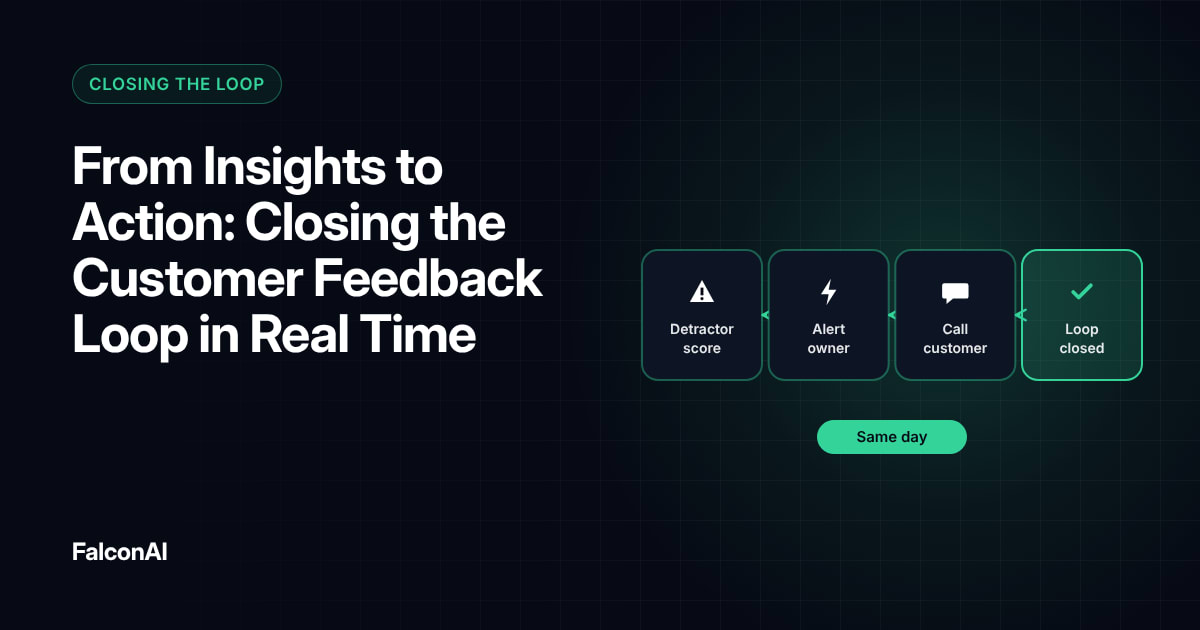
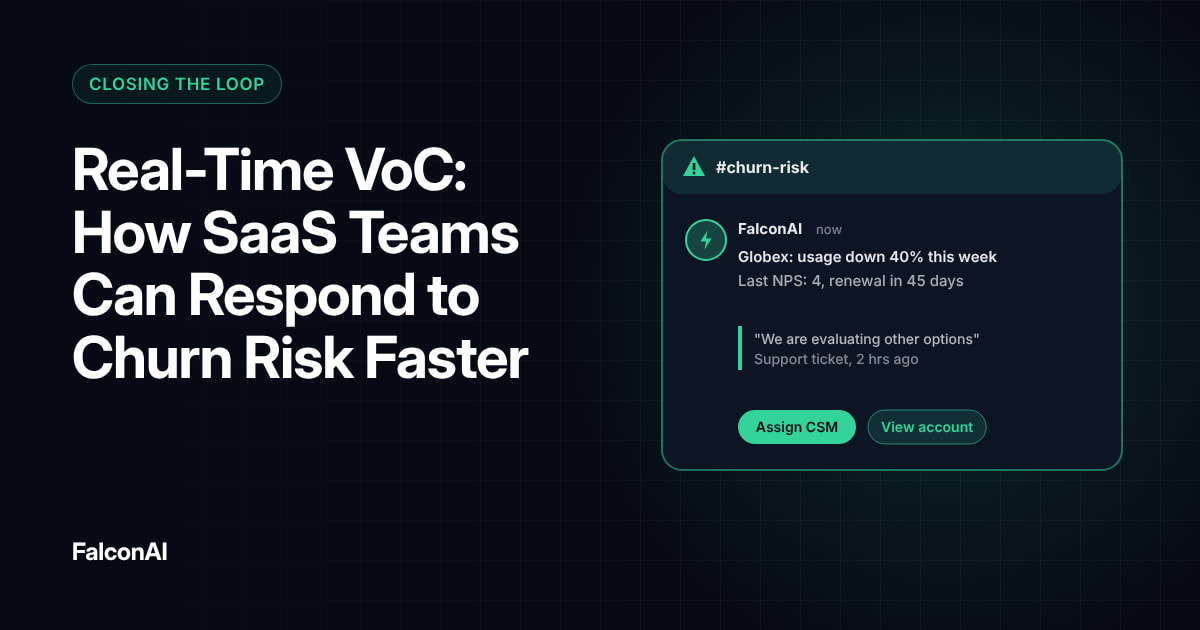
A detractor score is bad news, but it's also a chance. The customer just told you they're unhappy, and many unhappy customers never say anything. An escalation path makes sure that warning reaches someone who can act on it.
Why Detractors Are Worth the Effort
Resolution changes how customers feel. Qualtrics XM Institute's 2025 contact center study found that when an issue was resolved on first contact, 71% of customers trusted the company, compared with 38% when it wasn't. The same pattern held for recommendations, at 66% versus 32%.
Ignoring detractors costs money. Customers cut spending after 47% of bad experiences, according to Qualtrics' 2026 research.
Detractors who speak up are the ones you can save
Only 3 in 10 customers give direct feedback today. A detractor who answers your survey is giving you a chance most unhappy customers don't. Treat every one of those responses as a warning with a deadline.
Customers who trusted the company
Source: Qualtrics XM Institute. Figures as cited in this article
How an Escalation Path Works
An escalation path decides who responds to a detractor and what happens if they don't. A simple three-step path looks like this:
- The account owner gets the detractor alert right away.
- If there's no reply within one business day, the owner's manager is alerted.
- For high-value accounts, a senior leader is copied from the start.
Write the path down and share it with every team involved. When people know what happens if they don't reply, fewer cases reach step two.
Match the path to the account
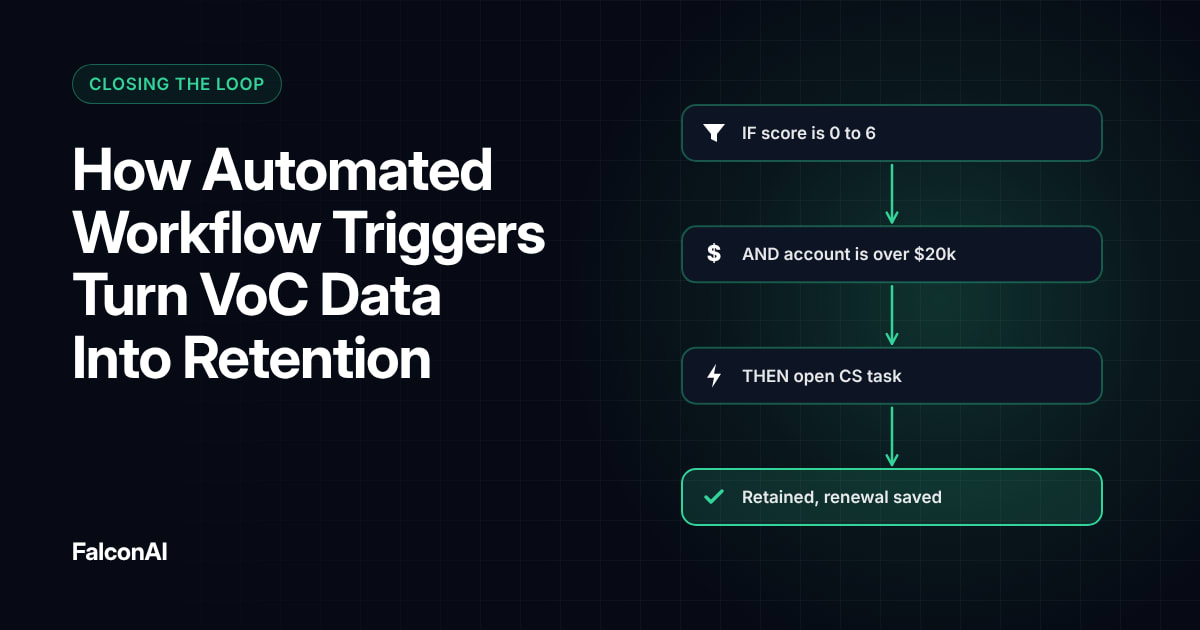
A small account with a minor complaint doesn't need a vice president's call. A large account threatening to leave does. Use account value and comment themes to choose the path. Our guide to automated workflow triggers explains how to set those rules.
A simple three-step path
- Account owner alertedRight away
- Manager alertedIf there's no reply within one business day
- Senior leader copiedFrom the start, for high-value accounts
What to Say When You Reach Out
Open with the specific issue. Thank them for the score and say what went wrong in plain words. Then tell them what you'll do next, with a date, and follow through. Keep the tone plain and skip corporate phrasing. Customers notice when a reply sounds defensive.
Speed and honesty count most. “Poor customer experiences are eroding loyalty,” said Isabelle Zdatny of Qualtrics XM Institute. A quick, honest reply is how you stop that from happening to your account.
Fix the cause, too
Tag each detractor's root cause. If ten customers raise the same billing problem, the escalation path has done its job only when billing gets fixed. Until then, you're answering the same complaint over and over. Read more about closing the feedback loop.
What to say when you reach out
- Open with the specific issue
- Thank them for the score
- Say what went wrong in plain words
- Tell them what you'll do next, with a date
- Follow through
Free review snapshot
See what your customers are saying, before you talk to us.
No commitment. We use your details only to send your snapshot and follow up. Privacy policy
Measuring Recovery
Track the share of detractors who get a reply within your target time. Then re-survey them after 30 to 60 days and track how many move up to passive or promoter. Compare renewal rates for contacted and uncontacted detractors as well. That comparison is the clearest evidence you can show leadership that follow-up pays for itself. Share recovery stories in team meetings too. A real example of a detractor who renewed shows people why the follow-up matters.
Report recovery alongside NPS
A rising recovery rate shows your program works even when the headline score moves slowly. Track both in NPS analysis, or book a demo.
Frequently asked questions
Can you turn a detractor into a promoter?
Often, yes. Fast, personal follow-up and a real fix can win back trust, especially when the issue was a one-off.
How quickly should you contact a detractor?
Within one business day if you can. The longer you wait, the less the customer expects a reply.
Who should call detractors?
The person closest to the relationship, usually the account owner or the manager of the team involved.
What is an escalation path?
It's a set of rules that decides who responds to negative feedback and who gets alerted if nobody does.
Should you re-survey detractors?
Yes. A follow-up survey 30 to 60 days later shows whether your response changed how they feel.
What's a good detractor recovery rate?
It varies by industry. Track your own rate over time and aim to improve it each quarter.