Frontline employees shape most of your customer experience. They answer the calls and calm frustrated customers. Real-time sentiment data shows how they're doing. It can motivate them, though a careless setup can push people to game the numbers.
Why Frontline Motivation Matters
Gallup's State of the Global Workplace 2025 report found that global employee engagement fell to 21% in 2024. Manager engagement dropped from 30% to 27%. Gallup's chief workplace scientist Jim Harter explained that “manager engagement affects team engagement, which affects productivity.”
Recognition makes a measurable difference
Research from Workhuman and Gallup in 2024 found that employees who received high-quality recognition were 45% less likely to have left their jobs two years later. Yet 55% of US employees said they get no meaningful recognition at all.
- 21%global employee engagement in 2024Source: Gallup State of the Global Workplace 2025
- 45%less likely to leave after high-quality recognitionSource: Workhuman and Gallup, 2024
- 55%of US employees get no meaningful recognitionSource: Workhuman and Gallup, 2024
Figures as cited in this article
Use Sentiment for Recognition First
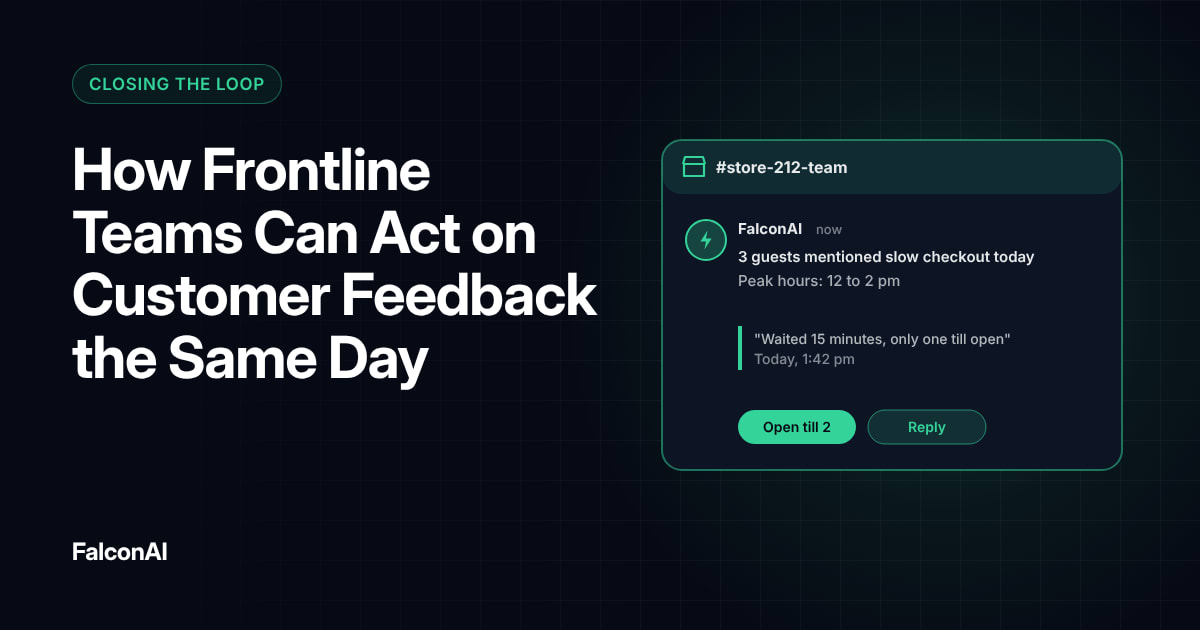
Start with praise. Real-time sentiment makes it easy to spot great moments as they happen. Share positive customer comments with the employee and their manager the same day. Highlight standout examples in team meetings. Even a short thank-you note from a senior leader can mean a lot.
Make it specific
“Great job this week” is nice. “A customer said you made a stressful billing issue easy to fix” is far more motivating. Specific praise tells people exactly what to repeat. Our guide to frontline VoC shows how to route feedback to the right people.
Be Careful With Financial Rewards
Tying pay directly to individual scores can backfire. Employees may pressure customers for high ratings or avoid difficult cases. Some will push to close tickets fast instead of solving problems well. Customers notice too. A request to give a top score feels pushy and can hurt the very experience you want to reward.
Safer ways to reward
- Reward team results instead of individual scores.
- Use rolling averages over a quarter so one bad day doesn't hurt.
- Combine sentiment with quality reviews and resolution rates.
- Exclude issues outside the employee's control, like pricing or product bugs.
Rewarding sentiment safely
Pay tied to individual scores
- Pressure customers for high ratings
- Avoid difficult cases
- Close tickets fast instead of well
Safer ways to reward (the approach the article favours)
- Team results, not individual scores
- Rolling averages over a quarter
- Combine with quality and resolution rates
- Exclude issues outside their control
Free review snapshot
See what your customers are saying, before you talk to us.
No commitment. We use your details only to send your snapshot and follow up. Privacy policy
Tie Incentives to Themes
Look beyond the score. Analyze which behaviors customers mention when they're happy. Empathy and quick follow-up often show up again and again. Build coaching and rewards around those behaviors.
Coach on negative feedback
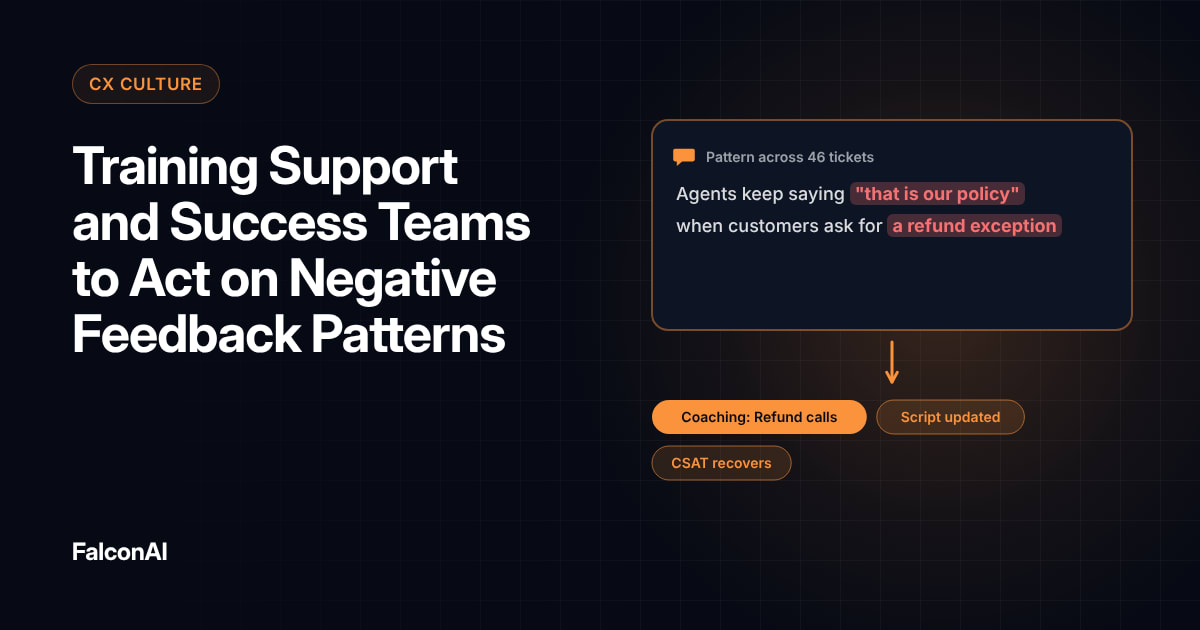
Negative sentiment is a coaching opportunity. Review it privately and focus on what to try next time. Pair each coaching session with a positive example from the same employee so the conversation stays balanced. Our post on training teams to act on negative feedback covers how.
Keep It Fair and Transparent
Explain exactly how sentiment is measured and how it affects rewards. Let employees see their own data. Give them a way to flag feedback they think is unfair, such as complaints about company policy. Managers should review flagged feedback within a week.
Review the program often
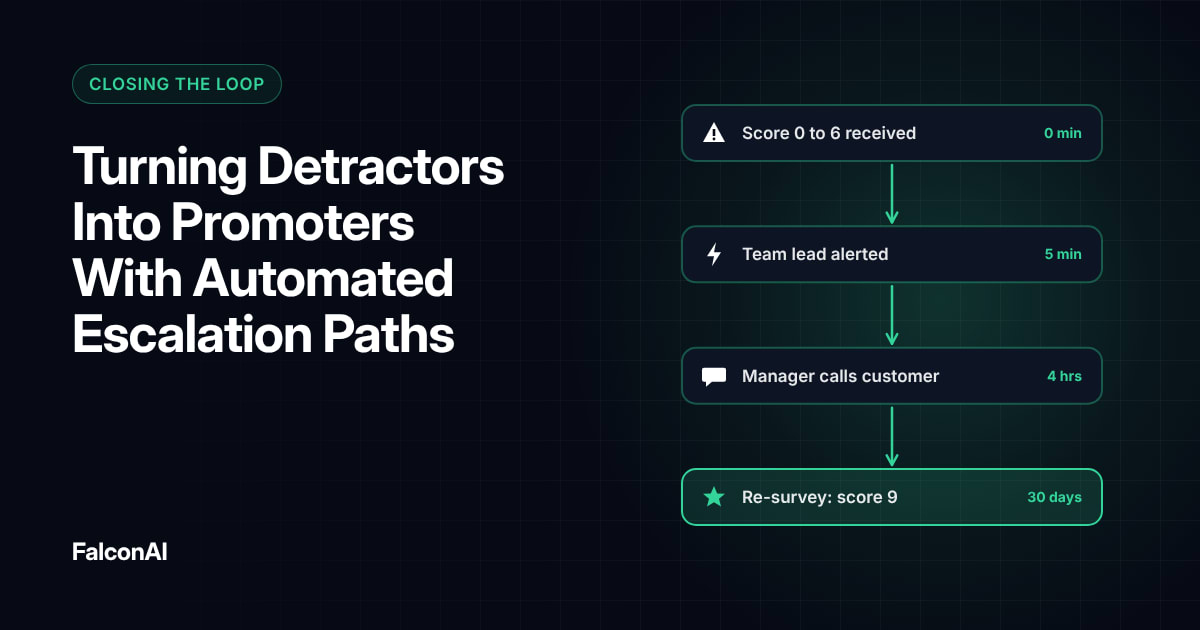
Check whether incentives are improving customer outcomes or just scores. If scores rise while complaints stay the same, something's off. Our guide to detractor escalation explains how to handle unhappy customers well. You can track frontline sentiment in real time with CSAT analysis, or book a demo.
Frequently asked questions
Should frontline pay be tied to customer scores?
Be careful. Individual score targets can encourage gaming, so team-based rewards are usually safer.
How can sentiment data motivate employees?
Share specific positive comments quickly with the employee and their manager.
How do you stop employees from gaming scores?
Use rolling averages and combine sentiment with quality reviews.
Should negative feedback affect rewards?
Use it mainly for private coaching, and exclude issues outside the employee's control.
Does recognition really matter?
Yes. Gallup research links high-quality recognition to much lower turnover.
How do you know if incentives are working?
Check that customer outcomes improve along with scores.