When budgets tighten, finance teams look for tools nobody will miss. VoC software is often on that list, because its value is spread across other teams. If you want to keep it, you need to show what it protects.
Why VoC Budgets Are at Risk
Finance teams fund what drives growth. A Gartner poll of 300 CFOs found that 66% planned to raise sales budgets by 4% or more in 2025. Budgets for support functions like HR and legal were more likely to be cut. Gartner's Randeep Rathindran said that “growth is a key executive priority.” Your VoC program needs to look like a growth tool.
Proof is the weak spot
CX Network's Global State of CX 2025 found that nearly 40% of CX professionals named demonstrating ROI as their biggest barrier to buy-in. Without numbers, your tool looks optional, however useful it feels to your team. Start collecting proof well before the budget review, since numbers gathered in a rush look like a defense.
- 66%of CFOs planned to raise sales budgets 4% or moreSource: Gartner poll of 300 CFOs
- Nearly 40%of CX professionals named proving ROI their top barrierSource: CX Network, 2025
- Up to 25 timesmore to acquire a customer than to keep oneSource: HubSpot 2024 State of Service
Figures as cited in this article
Show What the Tool Protects
Retention
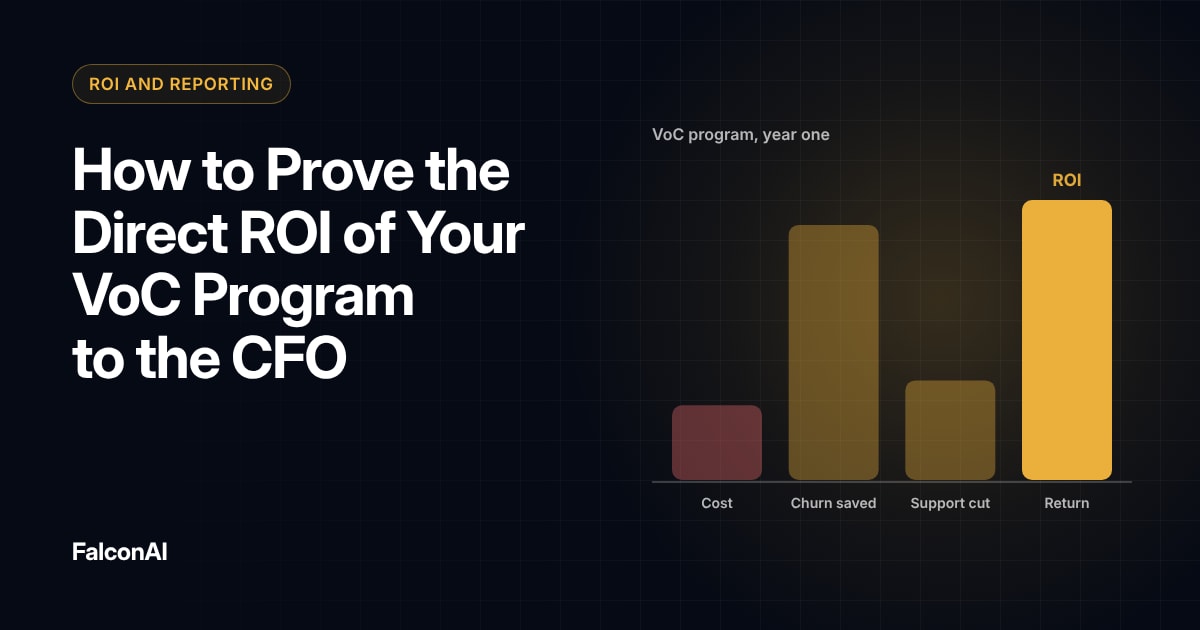
Keeping customers is cheaper than finding new ones. HubSpot's 2024 State of Service report notes that acquiring a customer can cost up to 25 times more than keeping one. Show how many at-risk accounts your team saved last year and what they're worth. Tell the story of a few of them briefly. A named account that nearly left and stayed is easier to remember than a percentage.
Support costs
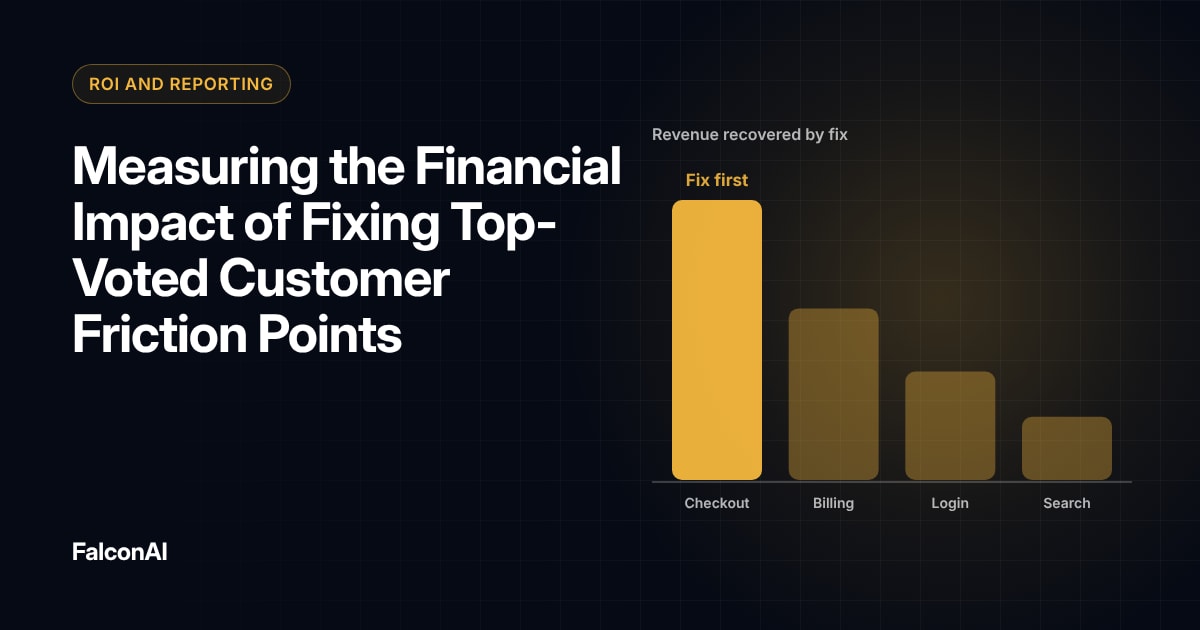
Show which root causes you found and fixed, and how many tickets those fixes removed. Our guide to measuring the impact of fixing friction points covers the math.
Build a One-Page Budget Case
Finance teams read short documents. Include:
- What the software costs each year.
- Revenue kept through saves and follow-ups.
- Support costs avoided through root cause fixes.
- The risk if the program stops, such as slower churn alerts.
Use your CFO's numbers
Pull contract values and cost per ticket from finance. When the inputs come from their own systems, the result is harder to dismiss. Offer to walk the finance team through your model in person. A 20-minute conversation often answers questions that would otherwise stall the approval. Our post on proving VoC ROI to the CFO explains how to set this up.
A one-page budget case
- What the software costs each year
- Revenue kept through saves and follow-ups
- Support costs avoided through root cause fixes
- The risk if the program stops
Free review snapshot
See what your customers are saying, before you talk to us.
No commitment. We use your details only to send your snapshot and follow up. Privacy policy
Cut Waste Before Finance Does
Review your own stack first. Forrester's 2025 research on feedback management warned CX teams to avoid duplicating capabilities in their tech stack. If two tools do the same job, drop one and mention it in your budget case. It shows you take cost seriously. Finance teams are far more willing to protect a budget when the owner has already trimmed it.
Tie the tool to revenue workflows
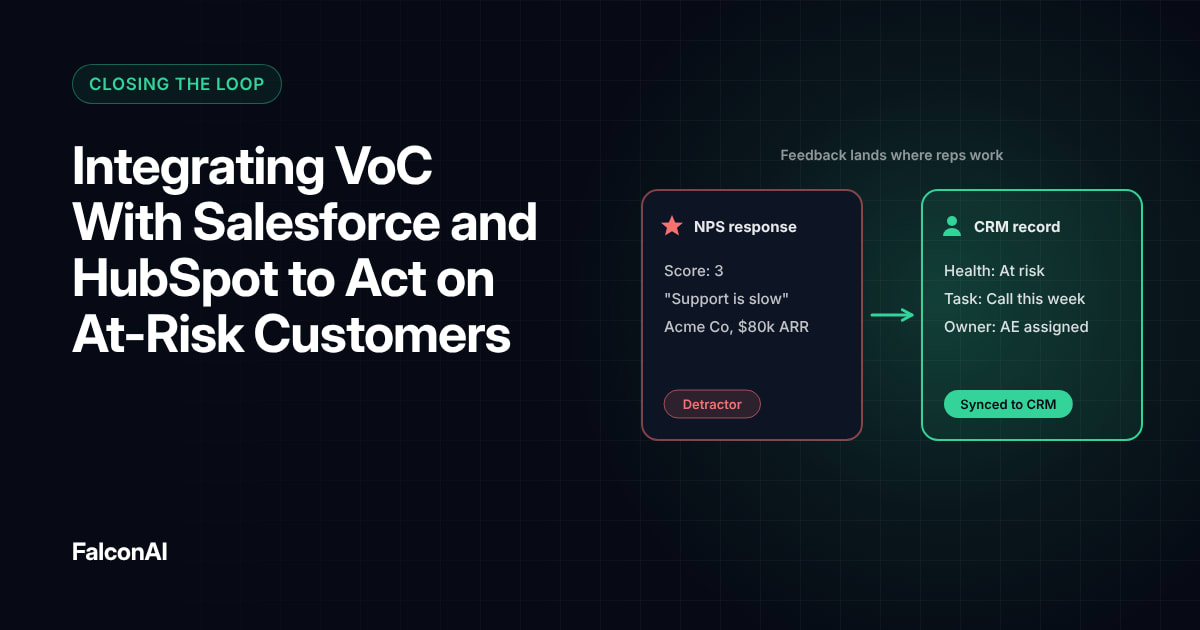
A tool that sends churn alerts into the CRM is harder to cut than one that only makes reports. When account managers rely on it every week, they'll defend it for you. Our guide to integrating VoC with your CRM shows how. You can track saves and their value in NPS analysis, or book a demo.
Frequently asked questions
How do you justify VoC software spend?
Show the revenue it helps you keep and the support costs it helps you avoid, compared with what it costs.
What do CFOs want to see in a budget case?
Clear costs and measurable returns, with assumptions they can check against their own data.
Is VoC software worth it in a downturn?
Usually, because retention matters more when new sales slow down.
Should you cut VoC tools to save money?
Cut duplicate tools first. Keep the ones tied to retention and revenue workflows.
How do you show VoC value quickly?
Pick a few saved accounts and fixed issues from the past year and put a dollar value on each.
What if you can't show ROI yet?
Start tracking saves and fixes now so you have numbers before the next budget cycle.