Every product has a group of users who know it better than anyone. They push it to its limits and notice problems before anyone else. Bring them into your product process and they become some of your most valuable advisors.
Why Power Users Matter
Power users often represent where your wider customer base is heading. Their workarounds show you missing features. Their complaints show you where the product breaks at scale. They're also often the first to try new features, so their early reactions can tell you whether a release will land.
They also spread the word
Bain's research on loyalty economics found that promoters made nearly seven times as many positive referrals as detractors. Power users who feel heard often become your most vocal promoters.
- Nearly seven timesas many positive referrals from promoters as detractorsSource: Bain
Figures as cited in this article
Find Your Power Users
Look for users who stand out in your data:
- High usage across many features.
- Frequent, detailed feedback in surveys or tickets.
- Active participation in your community or forums.
- Accounts that have grown steadily over time.
Balance the group
Include users from different industries and company sizes where you can. A group that's too narrow will push the product toward one type of customer. Aim for a group small enough to manage personally. Twenty to fifty people is plenty for most programs, and you can add more as you learn what works.
Signs of a power user
- High usage across many features
- Frequent, detailed feedback in surveys or tickets
- Active in your community or forums
- Accounts that have grown steadily
Build a Targeted Program
Give them early access
Invite power users into a beta group for new features. Ask for feedback before a wide release. They'll catch problems your test team missed. Set clear expectations about what beta means. Tell users which features may change and how to report problems, so they don't mistake early work for a finished product.
Run regular sessions
Hold a short call or survey each quarter to discuss roadmap ideas. Share early mockups and ask what they'd change. UX leader Alastair Simpson of Dropbox has said, “You need to look at what is important for the specific customer you're building for.” Power user sessions help you do that. Send a short summary after each session so participants see what you heard.
You need to look at what is important for the specific customer you're building for.
Alastair Simpson, Dropbox
Free review snapshot
See what your customers are saying, before you talk to us.
No commitment. We use your details only to send your snapshot and follow up. Privacy policy
Keep It Balanced
Power users don't speak for everyone. Their needs can be more advanced than those of a typical customer. Weigh their input alongside broader feedback from your whole base. Our guide to preventing feature creep shows how to score requests fairly. Watch for power users steering the roadmap toward their own edge cases. A feature that only a handful of experts need rarely belongs at the top of the list.
Close the loop
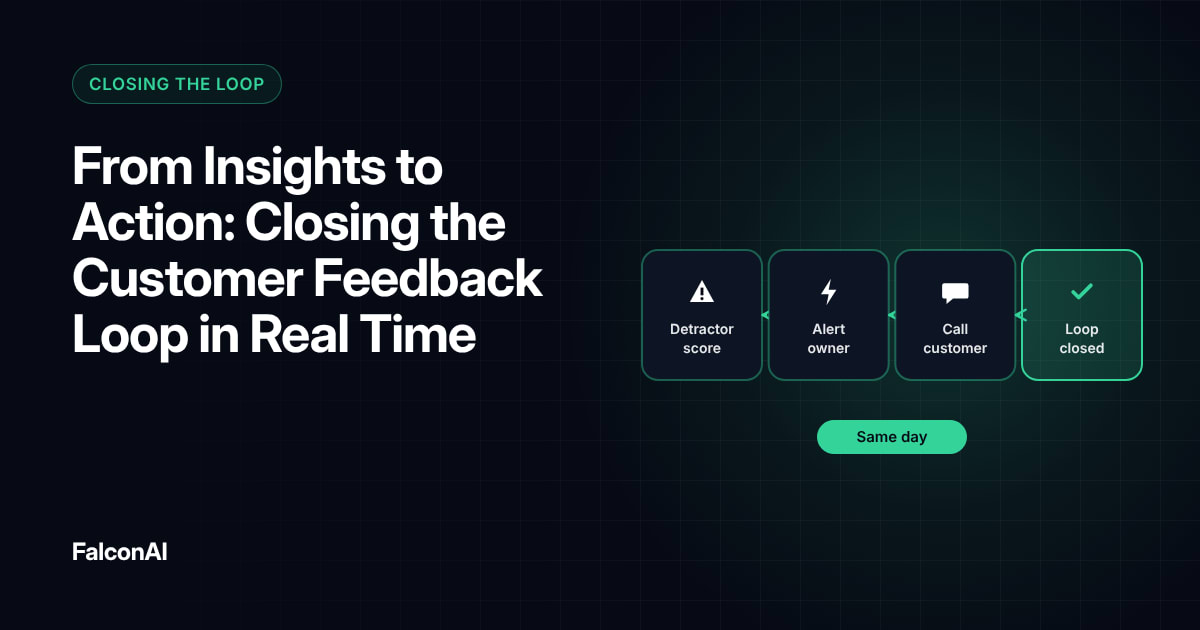
Tell power users when their feedback shapes a release. Credit them in release notes where it makes sense. Recognition keeps them engaged far more than discounts or gifts. Some companies invite their most engaged users to speak at events or join customer panels, which gives them a public role and keeps the relationship strong. Our post on closing the loop in real time covers the basics. You can track power user feedback separately in NPS analysis, or book a demo.
Frequently asked questions
What is a power user?
A customer who uses your product heavily, often across many features, and knows it deeply.
Why involve power users in product decisions?
They spot problems early and often show where the wider customer base is heading.
How do you find power users?
Look for high usage, detailed feedback, community activity and steady account growth.
How do you keep a power user program balanced?
Include a mix of industries and roles, and weigh their input alongside broader feedback.
What should you offer power users?
Early access, a voice in roadmap discussions and credit when their feedback shapes a release.
How often should you meet with power users?
A short session each quarter works well for most programs.