Telecom customers call when something breaks or when a bill looks wrong. Many of those calls are about the same few problems. Instant feedback loops help you find those problems fast and fix them before they flood your contact center.
Why Telecom Support Load Keeps Growing
Products keep getting more complex. J.D. Power's 2025 U.S. Wireless Customer Care Study found that overall care satisfaction fell for the first time in two years. In-store satisfaction dropped 8 points and website satisfaction dropped 10 points.
Complexity drives contacts
J.D. Power's Carl Lepper said that “wireless offerings have become more complex with bundling, adding different products, payment plans and sales.” He added that “simplification for representatives and customers alike could reduce wait times and effort.” Every confusing plan or bill becomes a phone call somewhere down the line.
simplification for representatives and customers alike could reduce wait times and effort.
Carl Lepper, J.D. Power
What an Instant Feedback Loop Looks Like
An instant feedback loop collects feedback right after a contact and acts on it quickly. A simple version works like this:
- Send a one-question survey right after each support contact.
- Flag low scores and unresolved issues for same-day follow-up.
- Group comments by theme every day.
- Send rising themes to the team that can fix the cause.
Measure first-contact resolution
Resolving issues on the first contact cuts repeat calls. Qualtrics XM Institute's 2025 contact center study found that 66% of customers whose issue was solved on first contact were likely to recommend the company, compared with 32% when it wasn't. Track first-contact resolution by theme so you know which issues agents struggle to close.
An instant feedback loop
After every support contact
- Send a one-question survey
- Flag low scores for same-day follow-up
- Group comments by theme daily
- Send rising themes to the team that fixes the cause
Back to Send a one-question survey, and round again
Customers likely to recommend
Source: Qualtrics XM Institute 2025 contact center study. Figures as cited in this article
Find the Root Causes Behind Calls
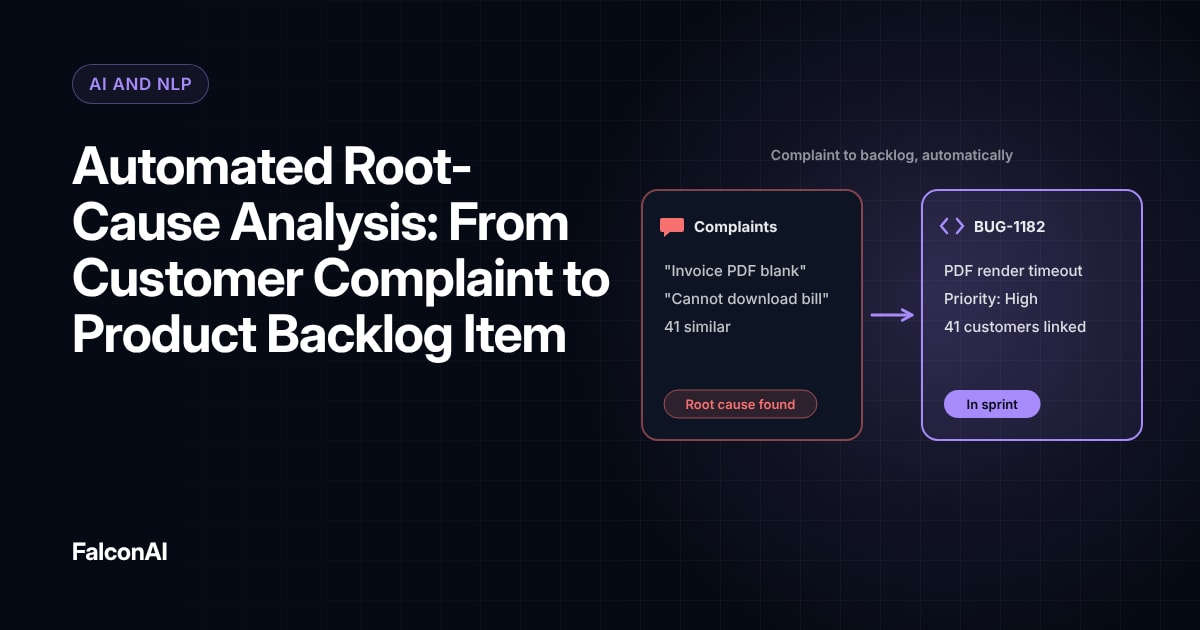
Many calls trace back to a handful of causes, such as confusing bills or a network issue in one area. Group feedback and call reasons by theme to find them. Our guide to automated root-cause analysis shows how to turn themes into fixes.
Fix it upstream
If customers keep calling about a confusing bill, change the bill. If a plan change causes problems, simplify the process. Each upstream fix removes calls for good, which frees agents to spend more time on the hard cases. Share the results with agents, too. When they see their feedback lead to a simpler bill or a clearer plan page, they're more likely to keep flagging problems they hear about on calls.
Free review snapshot
See what your customers are saying, before you talk to us.
No commitment. We use your details only to send your snapshot and follow up. Privacy policy
Use Feedback to Improve Self-Service
Read feedback from customers who tried self-service before calling. Their comments show where your app or website failed them. Fix those gaps and fewer customers will need to call at all.
Agents can help here as well. Ask them to log the self-service step each caller tried first. Over a month, that log shows you which help pages and app flows send the most people to the phone.
Track contact volume by theme
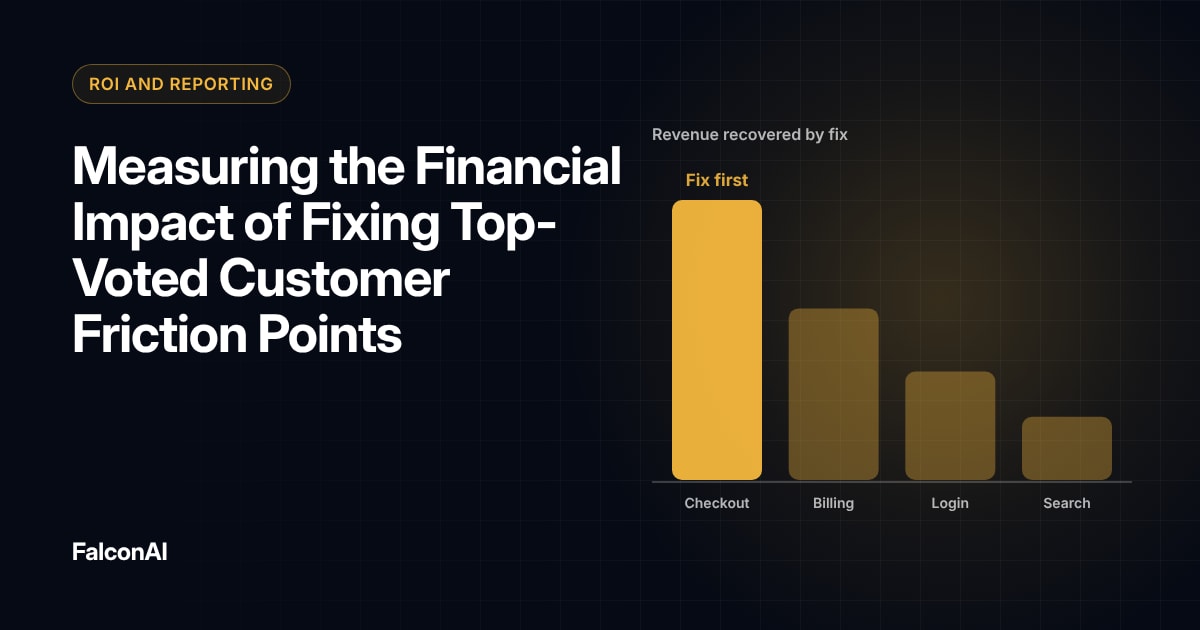
Measure how many contacts each theme drives before and after a fix. That number shows the support load you removed and the cost you saved. Our post on measuring the impact of fixing friction points covers the math. You can track support themes in CSAT analysis, or book a demo.
Frequently asked questions
What is an instant feedback loop in telecom?
It's collecting feedback right after support contacts and acting on it the same day.
Why is telecom support load so high?
Complex plans and billing generate many repeat contacts about the same issues.
How do feedback loops reduce support load?
They reveal the root causes behind calls so you can fix them upstream.
What should telecom companies measure?
First-contact resolution and contact volume by theme are good places to start.
Can feedback improve self-service?
Yes. Comments from customers who tried self-service before calling show where it failed.
How quickly should low scores get a follow-up?
The same day, especially when the issue wasn't resolved.