Every product team has more ideas than time. Sales wants one feature while a big customer wants another. Without a clear view of what customers need, the roadmap goes to whoever argues hardest. VoC data gives you a better way to decide.
Why Roadmaps Drift Away From Customers
A survey of more than 1,500 product managers found that about 52% say their strategy is mostly driven by senior executive requests or direct customer asks. The report described this as reactive. The same survey found that poorly prioritized features were the second most common reason product investments missed expectations. Reactive roadmaps feel responsive in the moment. Over a year, they produce a product that does many things for a few customers and confuses everyone else.
Most features go unused
Product analytics research cited at a 2024 industry panel found that about 20% of features drive roughly 80% of usage. The rest are rarely or never used. UX consultant Judd Antin put it bluntly on that panel: “most product development processes are broken.”
- 52%of PMs say strategy is driven by executive or customer asksSource: Survey of more than 1,500 product managers
- 20%of features drive roughly 80% of usageSource: Product analytics research, 2024 industry panel
Figures as cited in this article
Turn Feedback Into Roadmap Inputs
Feature requests are a starting point. The real value is in the problems behind them. Here's how to turn raw feedback into useful inputs:
- Group requests and complaints by the problem they describe.
- Count how many customers mention each problem.
- Add the revenue those customers represent.
- Note which problems show up in churned accounts.
Look past the loudest voices
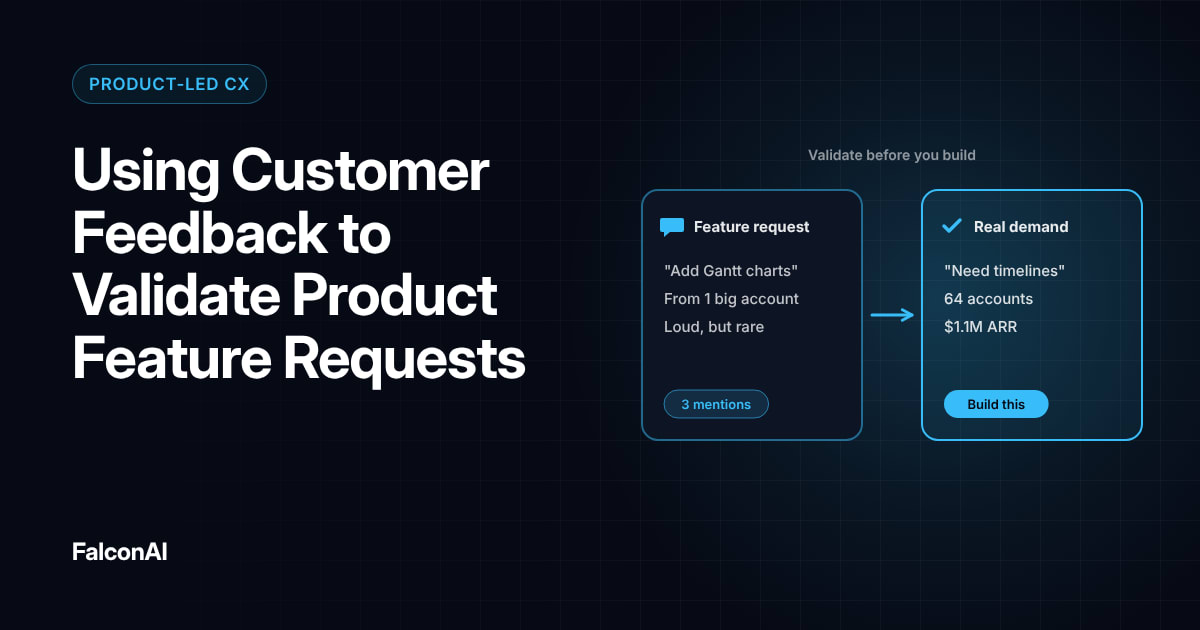
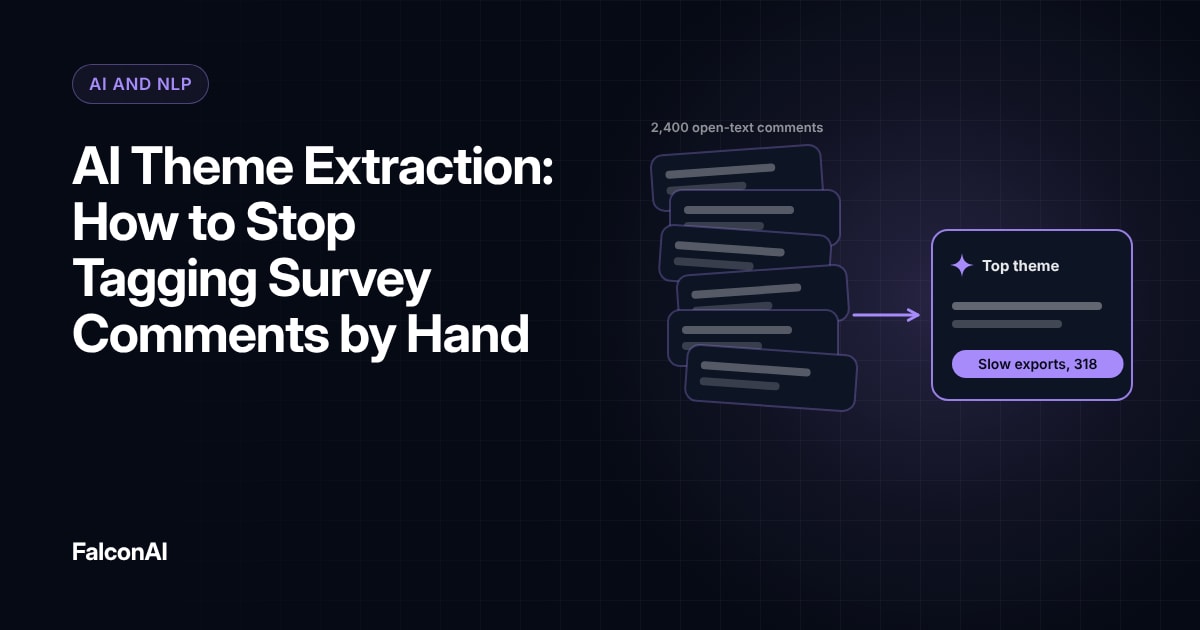
One large customer can file twenty requests. A hundred smaller ones may each mention the same issue once. Weight problems by how many customers they affect and how much revenue is at stake. Our guide to AI theme extraction shows how to group feedback at scale. Requests also arrive through many doors. Pull them into one place before you rank anything, so no single team's view dominates.
Turn feedback into roadmap inputs
- Group by problemRequests and complaints, by the problem they describe
- Count customersHow many customers mention each problem
- Add revenueThe revenue those customers represent
- Check churned accountsWhich problems show up in churned accounts
Build the Roadmap Around Outcomes
The same product management survey found that 54% of roadmaps are built around outputs, while only 44% communicate outcomes. A roadmap item that says “fix onboarding confusion” tells everyone what success looks like. One that says “build tooltip feature” doesn't.
Tie each item to a customer problem
Every roadmap item should link to the feedback behind it. Show the number of customers affected and a few real quotes. Our post on validating feature requests explains how to test ideas before you commit.
How roadmaps are framed
Source: Survey of more than 1,500 product managers. Figures as cited in this article
Free review snapshot
See what your customers are saying, before you talk to us.
No commitment. We use your details only to send your snapshot and follow up. Privacy policy
Keep the Roadmap Honest Over Time
Feedback changes as your product and customers change. Review themes each quarter and adjust the roadmap when new problems rise. Retire items when the problem behind them fades.
Share the reasoning with customer-facing teams too. When sales and support understand why something isn't on the roadmap, they can explain it to customers with confidence.
Measure whether it worked
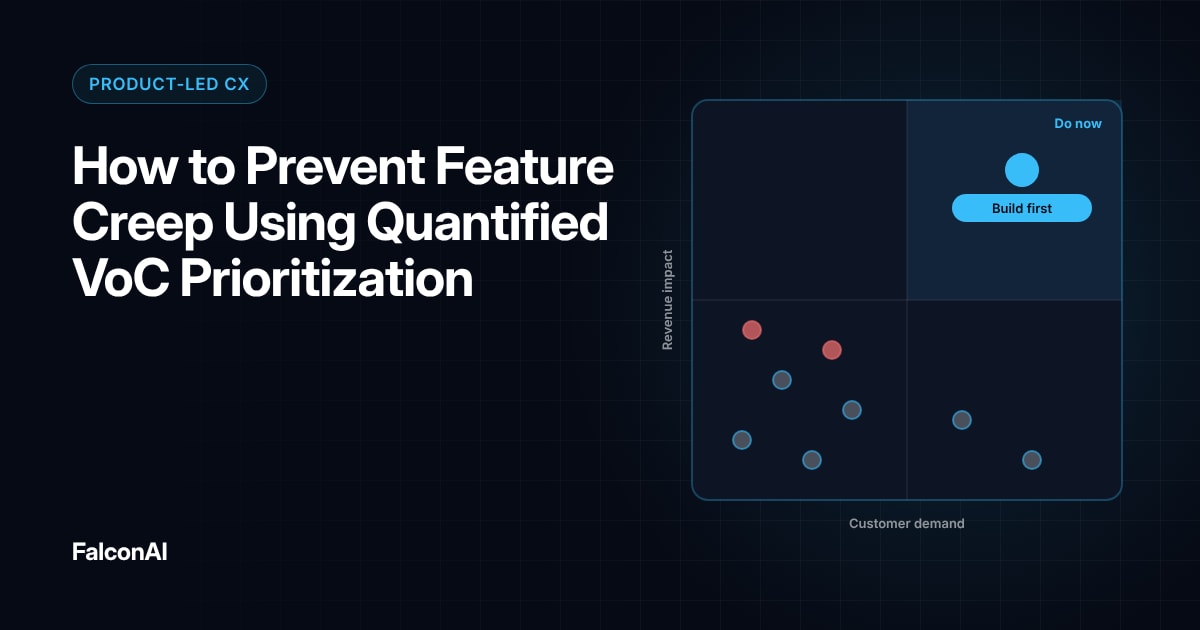
After you ship, check whether complaints about that problem dropped. If they didn't, the fix missed. Share the result with the customers who raised the problem. They're more likely to give feedback again when they see it led somewhere. Our guide to preventing feature creep covers how to keep the roadmap focused. You can track themes over time in NPS analysis, or book a demo.
Frequently asked questions
How should product teams use VoC data?
Group feedback by the problems it describes and use those problems, weighted by customers and revenue, to rank roadmap items.
Should you build every feature customers request?
No. Look for the problem behind each request and solve that problem in the way that helps the most customers.
How do you avoid building for the loudest customer?
Weight feedback by the number of customers affected and the revenue at stake.
How often should you update the roadmap?
Review feedback themes each quarter and adjust when new problems rise.
What makes a good roadmap item?
A clear customer problem, the number of customers affected and a measurable outcome.
How do you know if a roadmap item worked?
Check whether feedback about that problem dropped after you shipped the fix.