Design teams make dozens of decisions on every project. Without customer input, many of those decisions rest on hunches. Some hunches are right. Many aren't, and you only find out after launch. VoC gives designers evidence at each step.
Where Guesswork Creeps In
Designers often work from internal assumptions about how users think, and stakeholders add their own opinions on top. Tight deadlines then push teams to skip research. The result is a design that makes sense to the team and confuses customers.
The cost shows up later
Product analytics research cited at a 2024 industry panel found that about 20% of features drive roughly 80% of usage. Designs built on guesses add to the unused pile. Fixing a design after launch also costs far more than changing a sketch, since engineering time and support load both add up quickly.
Use VoC Before You Design
Start with what customers already told you. Pull feedback on the area you're redesigning:
- Support tickets about the current flow.
- Survey comments that mention it.
- Reviews that describe problems or praise.
- Usage data that shows where users struggle.
Frame the problem in customer words
Write the design brief using real quotes. “I can never find my past invoices” is a clearer brief than “improve billing navigation.” Share the quotes with everyone on the project, including engineers. A team that has read real complaints makes better small decisions on its own.
Start with what customers already told you
- Support tickets on the flow
- Survey comments
- Reviews
- Usage data
Test Early and Often
Share rough versions
Show sketches or prototypes to a small group of customers. Ask them to complete a task and talk through what they see. Small rounds of testing catch big problems early. You don't need a lab. A video call where the customer shares their screen works well and takes less than half an hour.
Ask focused questions
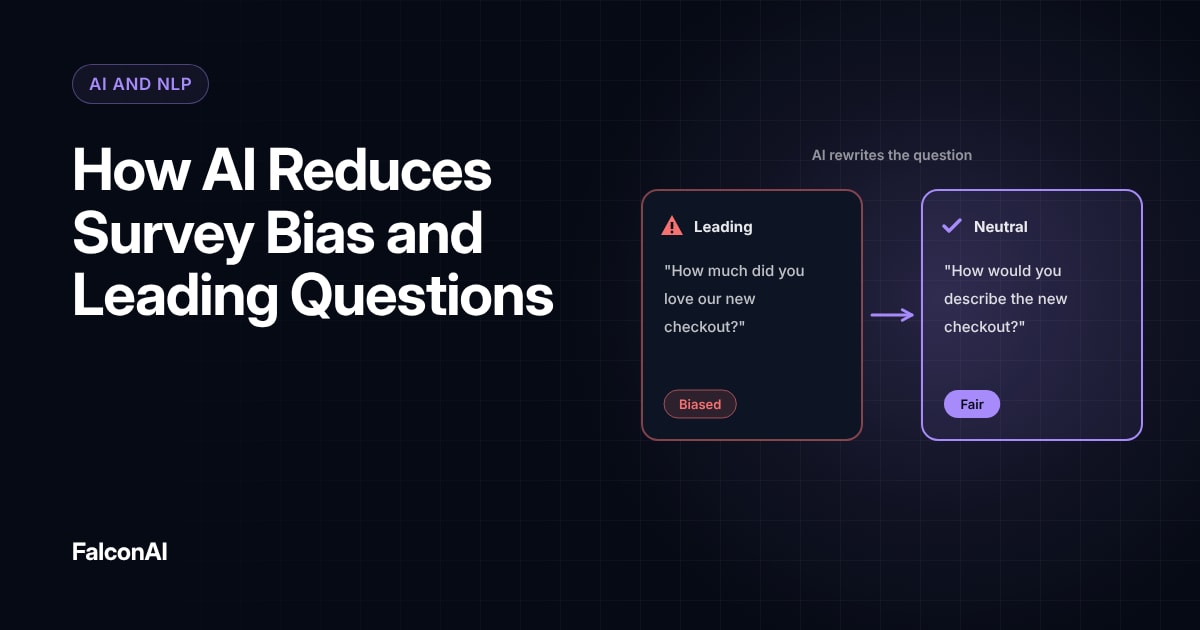
After each test, ask one or two questions. Was anything confusing? What did you expect to happen? Keep questions neutral so you don't lead people toward the answer you want. Our post on reducing survey bias covers how.
Free review snapshot
See what your customers are saying, before you talk to us.
No commitment. We use your details only to send your snapshot and follow up. Privacy policy
Measure After Launch
Launch isn't the end. Collect feedback on the new design and compare it with feedback on the old one. Watch for new themes that point to fresh problems. Give the new design a few weeks before judging it. Some users dislike any change at first, and early complaints can fade once people adjust.
Teresa Torres, author of Continuous Discovery Habits, describes good discovery as “weekly touch points with customers by the team building the product.” Design iteration works the same way. Regular contact keeps the design grounded.
Close the loop with customers
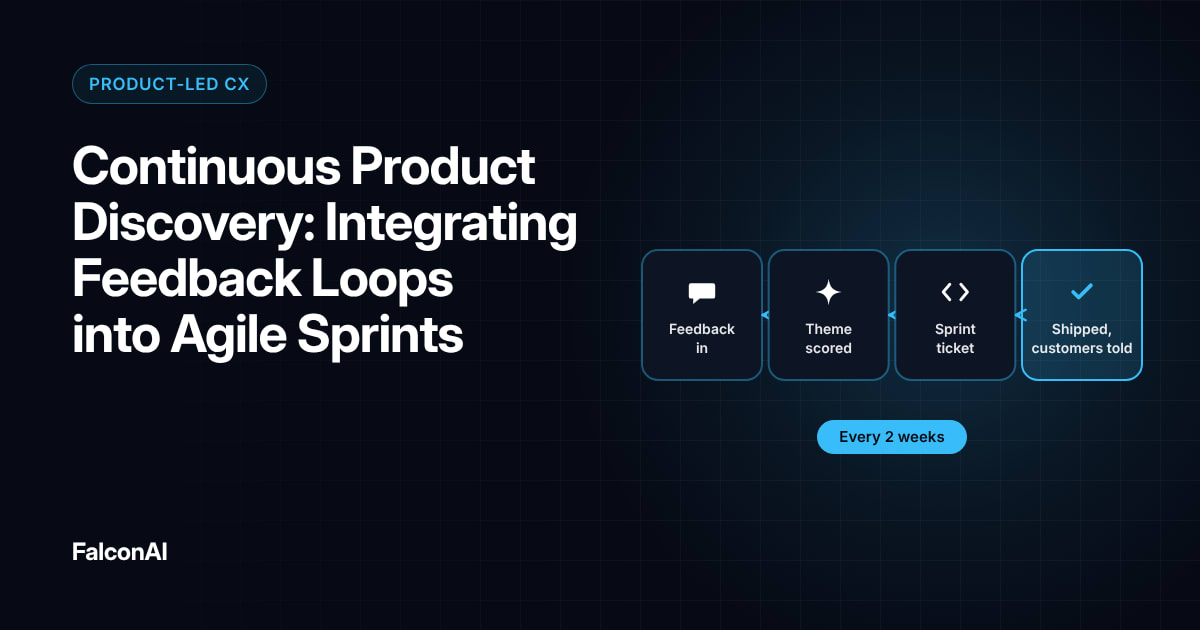
Tell customers who reported problems that you've redesigned the area. Ask whether it's better. Customers who see their feedback shape a design are more willing to test the next one. Over time, you build a group of customers who are glad to help. Our guide to continuous product discovery in agile sprints shows how to build this into your process. You can compare feedback before and after a redesign in CSAT analysis, or book a demo.
Design iteration grounded in VoC
Customer feedback
- Pull existing feedback
- Share rough versions
- Ask focused questions
- Measure after launch
- Close the loop
Back to Pull existing feedback, and round again
Frequently asked questions
How does VoC help product design?
It gives designers evidence about what customers need, so decisions rest on real input from users.
When should designers use customer feedback?
Throughout the project, from the first brief to the weeks after launch.
How many customers should test a design?
A small group per round is often enough to catch major problems. Run several rounds as the design changes.
What should you ask during design tests?
Neutral questions about what was confusing and what the user expected to happen.
How do you measure a redesign?
Compare feedback and usage on the new design with the old one.
Should you tell customers about a redesign?
Yes, especially those who reported problems with the old version.