Many teams do discovery at the start of a project, then stop listening once development begins. By the time the feature ships, customer needs may have moved on. Continuous discovery keeps feedback flowing into every sprint.
What Continuous Discovery Means
Teresa Torres, author of Continuous Discovery Habits, defines continuous discovery as “weekly touch points with customers by the team building the product, where they conduct small research activities.” The key word is weekly. Discovery becomes a regular habit that runs alongside delivery.
Why it matters for agile teams
Agile sprints are short. Feedback that arrives months later can't shape the work. Small, regular inputs fit the rhythm of a two-week sprint far better than large, occasional studies. It also lowers risk. When you check with customers every sprint, a wrong turn costs you two weeks at most.
weekly touch points with customers by the team building the product, where they conduct small research activities.
Teresa Torres, author of Continuous Discovery Habits
Build Feedback Into the Sprint
Here's a simple way to fit discovery into a two-week sprint:
- At sprint planning, review the latest feedback themes for the area you're working on.
- During the sprint, talk to at least one or two customers about the work in progress.
- At the sprint review, share what customers said alongside what you built.
- At the retrospective, note what you learned and what to test next.
Use existing feedback first
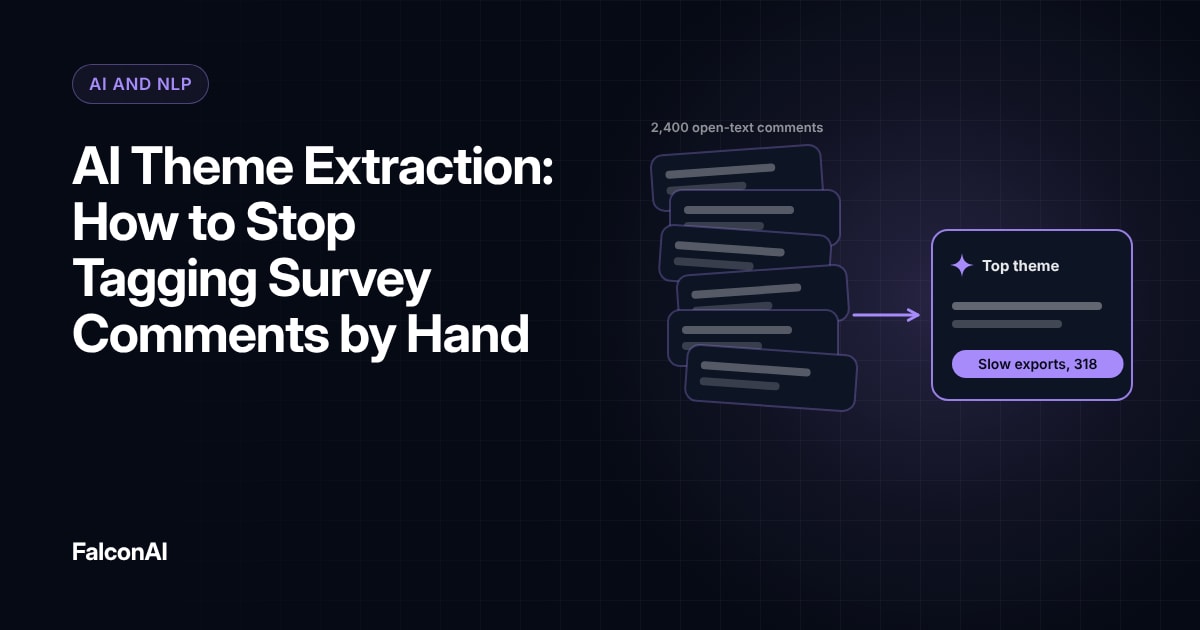
You don't need new research every sprint. Support tickets and survey comments already hold plenty of signal. Our guide to AI theme extraction shows how to pull themes quickly.
Discovery in a two-week sprint
- Sprint planningReview the latest feedback themes
- During the sprintTalk to one or two customers
- Sprint reviewShare what customers said with what you built
- RetrospectiveNote what you learned and what to test next
Make It a Team Habit
Share the work
Discovery shouldn't sit with one person. Rotate who joins customer calls so each person hears from customers at least once a month. Everyone on the team builds better products after hearing customers directly. Engineers often spot technical shortcuts once they hear the real problem, which can save days of work.
Keep sessions short
A 20-minute conversation is enough to test an idea. Focus on one question at a time. Prepare a simple guide with two or three questions so anyone on the team can run a session. Record the key points in a shared place, so the whole team can learn from every conversation even if they weren't there.
Make discovery a team habit
- Rotate who joins customer calls
- Everyone hears customers at least monthly
- Keep sessions to a 20-minute conversation
- Focus on one question at a time
- Use a simple guide anyone can run
- Record key points in a shared place
Free review snapshot
See what your customers are saying, before you talk to us.
No commitment. We use your details only to send your snapshot and follow up. Privacy policy
Measure the Loop
Track how often your team talks to customers and how many backlog items link to real feedback. A survey of more than 1,500 product managers found that 54% of roadmaps are built around outputs, while only 44% communicate outcomes. Continuous discovery helps shift that balance toward outcomes.
Close the loop after release
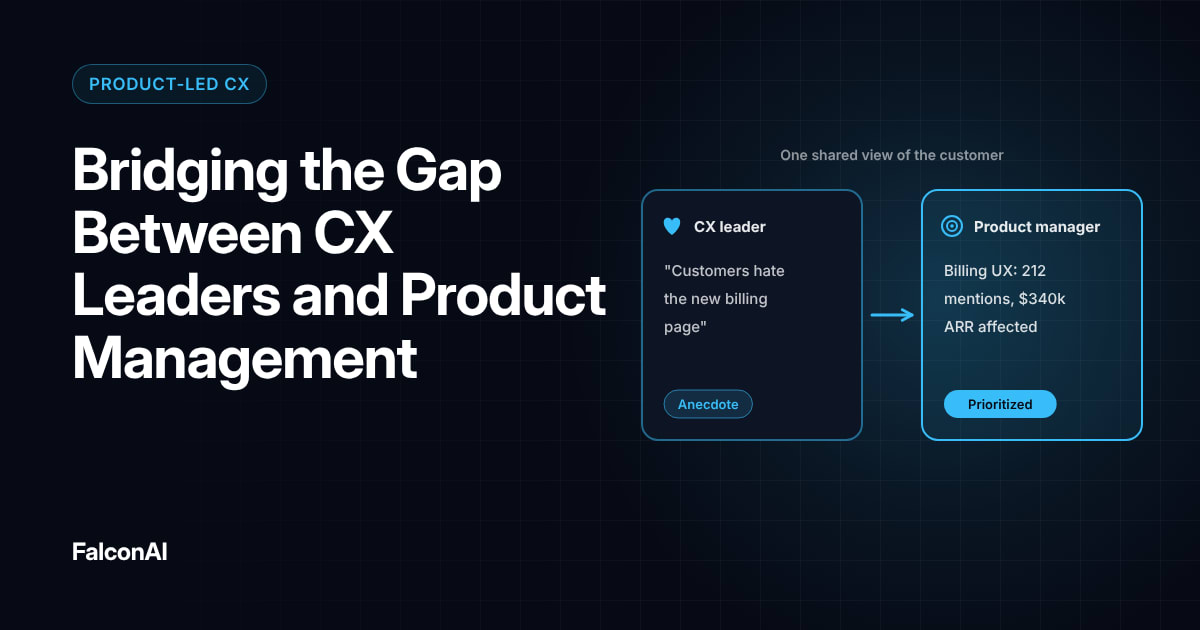
After each release, check whether feedback on the problem improved. Tell customers what changed. Bain's Rob Markey wrote that “immediacy is crucial because it supports the way people learn.” Fast feedback after a release helps your team learn what worked. Keep a running log of what you learned each sprint. Over a quarter, it becomes a clear record of how customer input shaped the product. Our post on bridging CX and product teams covers how to share feedback across teams. You can feed themes into sprint planning from NPS analysis, or book a demo.
Frequently asked questions
What is continuous product discovery?
It's the habit of talking to customers every week and running small research activities while you build.
How does discovery fit into agile sprints?
Review feedback at planning, talk to customers during the sprint and share findings at the review.
Do you need new research every sprint?
No. Existing feedback from tickets and surveys often provides enough signal.
Who should take part in discovery?
The whole product team, rotating who joins customer calls.
How long should discovery sessions be?
Around 20 minutes is enough to test an idea.
How do you measure continuous discovery?
Track how often the team talks to customers and how many backlog items link to real feedback.