Your customers get asked for feedback after nearly every purchase and support call. Many of them have stopped answering. That's survey fatigue, and it quietly shrinks the data your VoC program depends on.
What Survey Fatigue Looks Like
Response rates drop first. Then the answers you do get become shorter and less thoughtful. Qualtrics' 2025 Consumer Trends report, based on nearly 24,000 consumers, found that fewer than a third give feedback directly to a company. Compared with 2021, consumers are 8 points less likely to mention a bad experience at all.
Why it happens
Isabelle Zdatny, a customer loyalty researcher at Qualtrics, summed it up: “In a world full of surveys constantly asking for feedback, people are increasingly less willing to answer them.” Every extra survey you send competes with dozens of others in the same inbox.
In a world full of surveys constantly asking for feedback, people are increasingly less willing to answer them.
Isabelle Zdatny, Qualtrics
The Cost of Ignoring It
Fatigue can push customers away. Shep Hyken's 2024 customer service research found that 67% of customers don't complete surveys that are too long. Another 23% have stopped doing business with a company because it sent too many surveys.
Silent customers skew your data
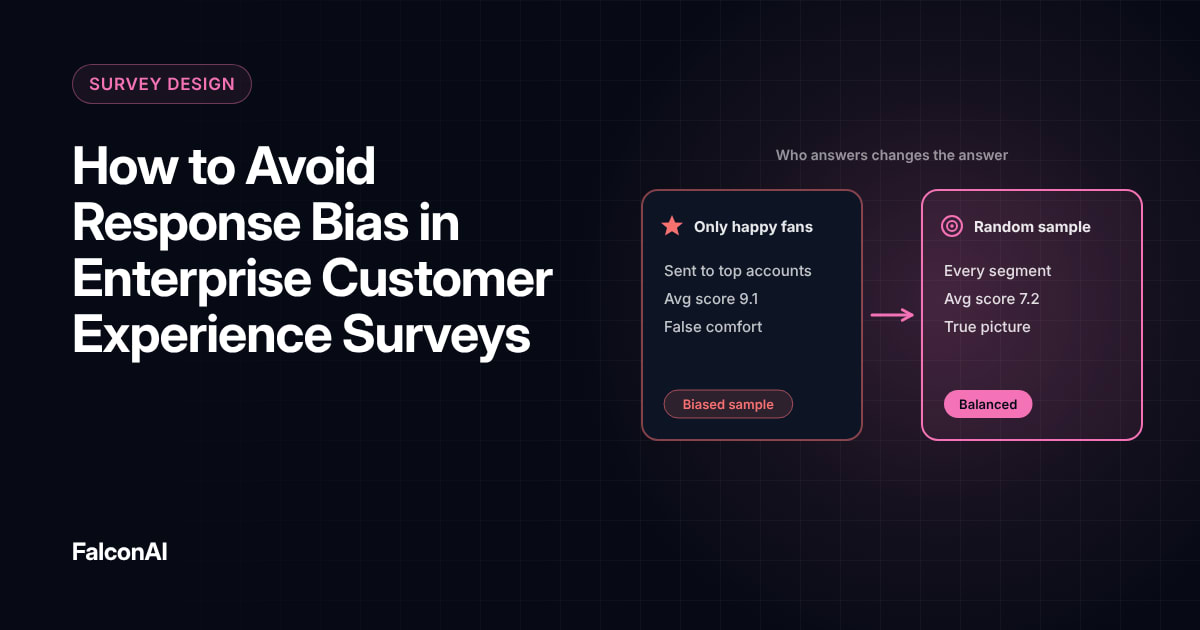
When only your happiest or angriest customers respond, your scores stop reflecting reality. Our guide to avoiding response bias explains how this distorts results.
- 67%don't complete surveys that are too longSource: Shep Hyken, 2024
- 23%stopped doing business over too many surveysSource: Shep Hyken, 2024
- 8 pointsless likely to mention a bad experience than in 2021Source: Qualtrics 2025 Consumer Trends
Figures as cited in this article
Seven Strategies That Work
- Cut every question you won't act on.
- Ask one question first and make the rest optional.
- Trigger surveys after meaningful moments instead of on a fixed schedule.
- Set a contact limit so no customer hears from you more than once a month.
- Show progress so people know how long the survey will take.
- Design for phones, since most people answer there.
- Tell customers what changed because of their feedback.
Start with the easiest wins
Strategies one and four usually deliver results fastest. Removing questions shortens every survey at once. A contact limit protects your most active customers, who are often the ones you survey most. Our post on micro-surveys shows how far a single question can go.
Free review snapshot
See what your customers are saying, before you talk to us.
No commitment. We use your details only to send your snapshot and follow up. Privacy policy
Use the Feedback You Already Have
You don't need a survey for every insight. Support tickets and chat logs already hold plenty of customer opinions. Analyze that feedback first, then survey only to fill the gaps. This approach cuts how often you interrupt customers. Reviews and community posts add even more context, and none of them require a single extra question.
Close the loop
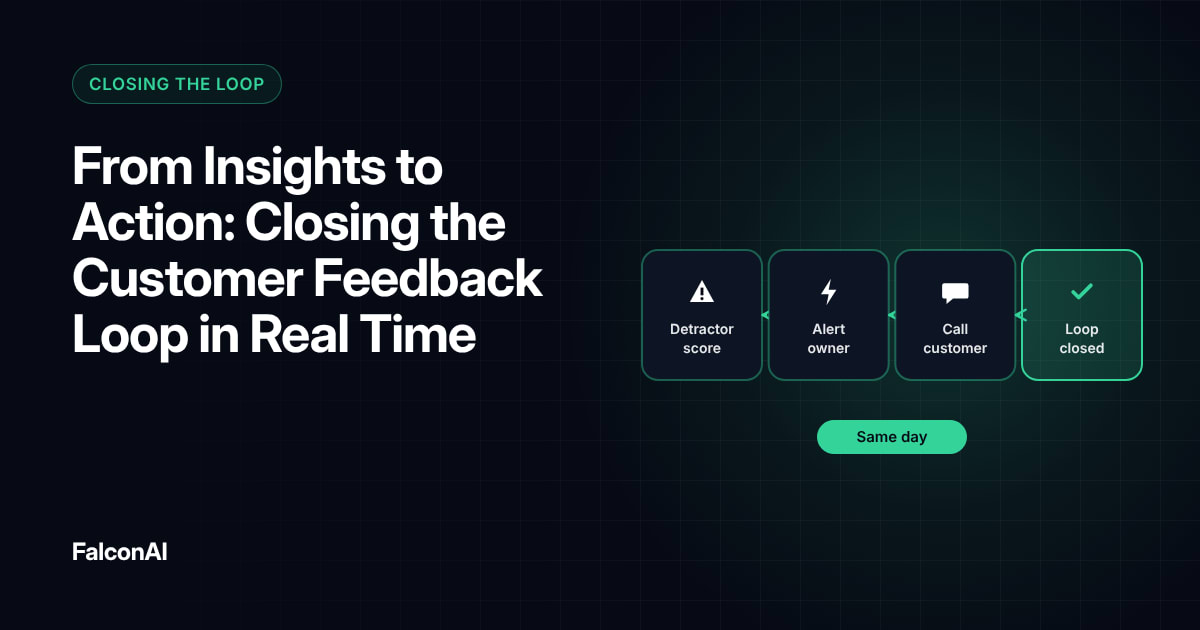
People answer again when they see their feedback led somewhere. A short follow-up message showing a fix can lift future response rates more than any incentive. Our guide to closed-loop feedback covers the basics.
Measure Fatigue Over Time
Track response and completion rates by segment each month. Watch for customers who used to respond and stopped. A falling rate in one group often points to a specific survey that's asking too much.
Set a baseline first
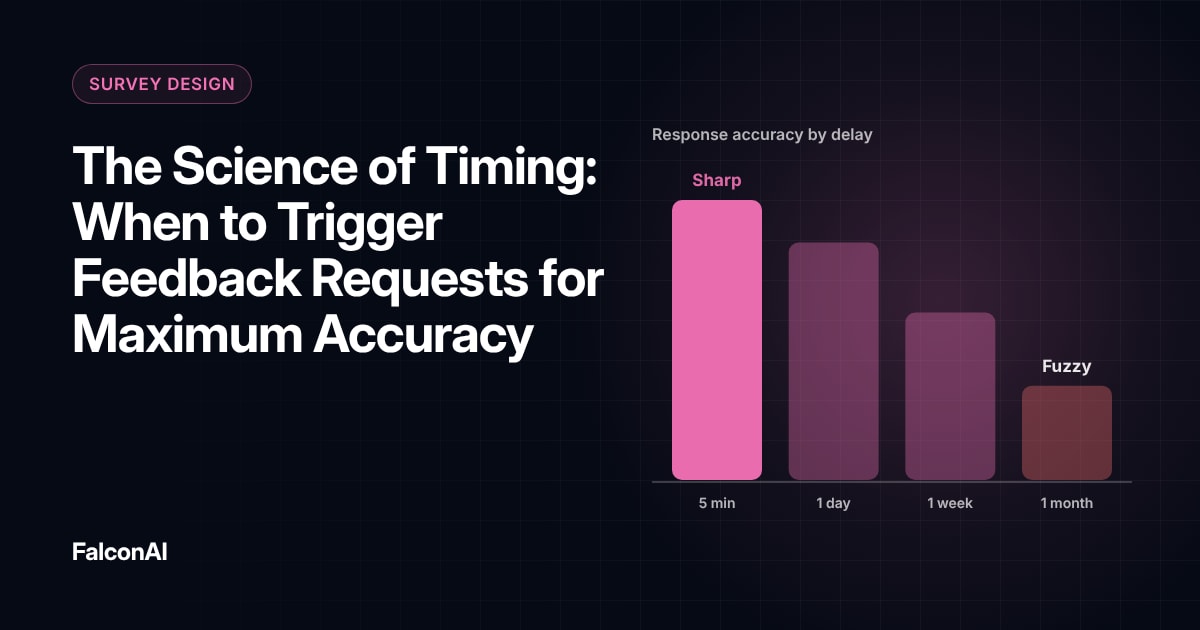
Record your current rates before you change anything. That way you can show which fixes worked and share the results with your team. Our post on feedback timing explains when to ask. You can analyze open feedback across every channel in CSAT analysis, or book a demo.
Frequently asked questions
What is survey fatigue?
It's when customers get so many feedback requests that they stop answering or rush through surveys.
How do you know if customers have survey fatigue?
Falling response rates and shorter open comments are the most common signs.
How many questions should a customer survey have?
As few as possible. Many teams get strong results with one required question and an optional comment.
How often should you survey the same customer?
Set a limit, such as once a month at most, and adjust it based on response rates.
Do incentives fix survey fatigue?
They can lift responses for a while. Shorter surveys and visible follow-up tend to work better over time.
Can you survey less without losing insight?
Yes. Analyze support tickets and reviews first, then survey only to fill the gaps.