A customer can be thrilled at signup and furious by their first invoice. If you only measure once a year, you'll average those moments into a score that tells you nothing. Emotion tracking shows how feelings change at each stage, while you can still act on them.
Why Emotion Drives Loyalty
Qualtrics XM Institute research found that emotion was the strongest driver of loyalty it measured. Consumers who felt delighted were 10.3 times more likely to recommend a brand than those who felt upset. Its 2024 US study asked 10,000 consumers to rate recent brand interactions on emotion alongside success and effort.
Emotion is also the part companies measure least. Most surveys ask whether the issue was solved and how easy it was. Few ask how the customer felt about it.
Emotion goes deeper than sentiment
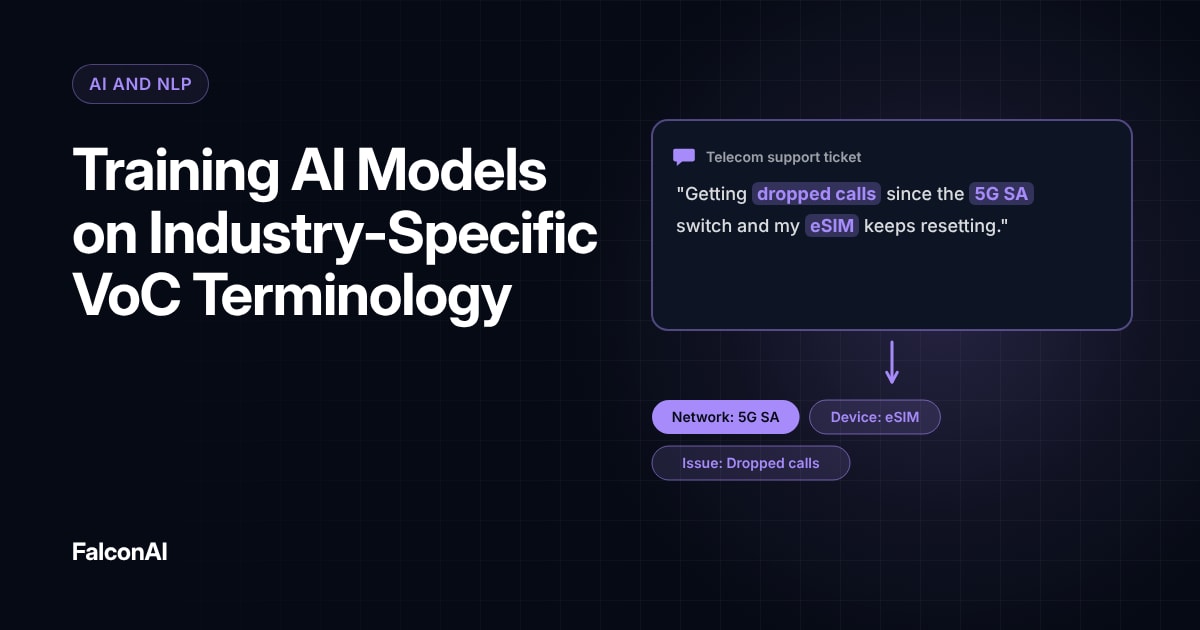
Sentiment is positive or negative. Emotion is more specific, such as frustration, confusion, relief or delight. Each one calls for a different response. A confused customer needs help. A frustrated one needs an apology and a fix. Modern NLP can label these emotions in open text, so you don't need extra survey questions to measure them.
- 10.3 timesmore likely to recommend when delighted than upsetSource: Qualtrics XM Institute
- 10,000US consumers rated recent brand interactionsSource: Qualtrics XM Institute, 2024
Figures as cited in this article
Mapping Emotion to the Lifecycle
Different stages bring different feelings. Track the most common ones at each point:
- Onboarding, where confusion is the main risk.
- The first billing cycle, where surprise and frustration show up.
- Support contacts, where effort shapes how people feel.
- Renewal, where trust decides whether customers stay.
Look for drops between stages
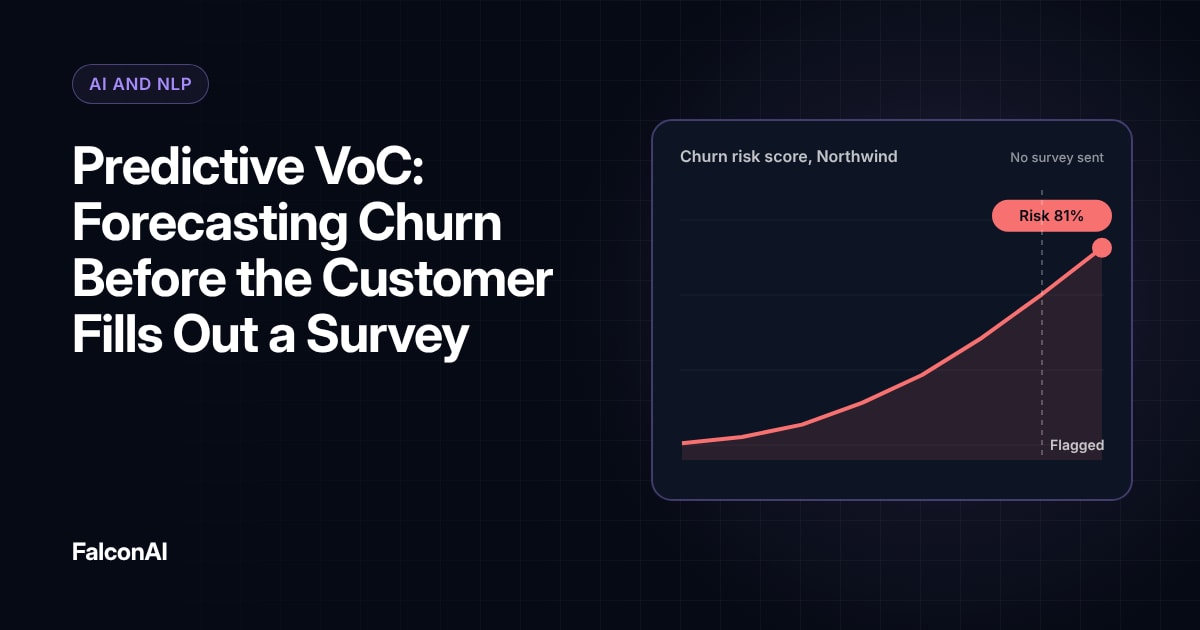
The biggest warning sign is a sharp change. A customer who was delighted at onboarding and frustrated a month later is more at risk than one who was neutral all along. Our guide to predictive VoC shows how to turn these shifts into churn alerts.
Emotions to track at each stage
- OnboardingConfusion is the main risk
- First billing cycleSurprise and frustration show up
- Support contactsEffort shapes how people feel
- RenewalTrust decides whether customers stay
Making It Real Time
Annual surveys can't show emotion as it happens. Pull it from support tickets and chat transcripts as they arrive. HubSpot's 2024 State of Service report found that 82% of customers want their issues solved immediately. Real-time emotion data tells you which ones to solve first. Emotion fades fast. A customer who was angry yesterday may be calmer today, but they still remember who called them back.
Route strong emotions fast
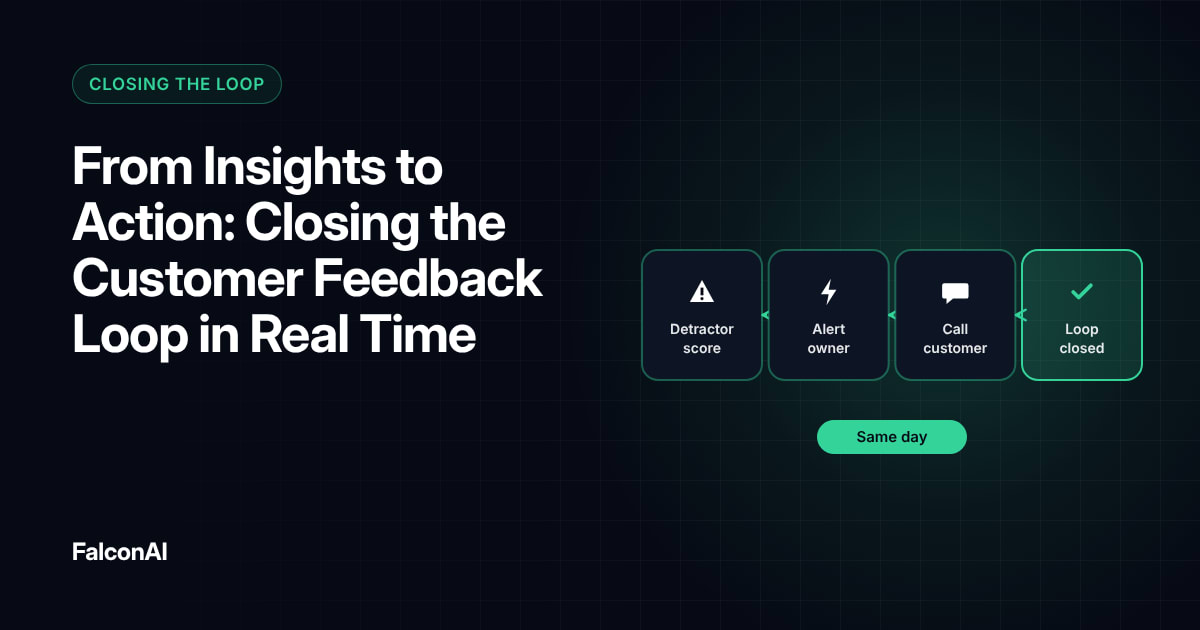
Set alerts for strong negative emotions, such as anger or a mention of cancelling. Send them to an owner the same day. Our post on closing the loop in real time explains how.
Free review snapshot
See what your customers are saying, before you talk to us.
No commitment. We use your details only to send your snapshot and follow up. Privacy policy
Acting on What You Find
Bruce Temkin, who led Qualtrics XM Institute, put it simply: “Now is the time to intensify your focus on understanding and responding to your customers' feelings.” Emotion data is only useful when someone responds to it.
Share emotion trends by stage with the team that owns that stage. Onboarding owns confusion. Billing owns surprise. Give each owner a weekly view of the emotions linked to their stage, along with a few example comments.
Learn from the good moments too
Delight is worth tracking. When a stage drives strong positive emotion, find out why and repeat it elsewhere. You can view emotion by lifecycle stage in CSAT analysis, or book a demo to see it with your data.
Frequently asked questions
What is emotion tracking in customer experience?
It's measuring how customers feel, such as frustrated or delighted, at different points in their relationship with you.
How is emotion different from sentiment?
Sentiment is positive or negative. Emotion names the specific feeling, which tells you how to respond.
Where does emotion data come from?
Support tickets, chat transcripts, survey comments and call recordings, analyzed with NLP.
Which lifecycle stage matters most?
It depends on your business, but onboarding and renewal often have the biggest effect on churn.
Can you track emotion in real time?
Yes. Analyze tickets and chats as they arrive and alert owners when strong negative emotions appear.
How do you act on emotion data?
Give each lifecycle stage an owner and share emotion trends with them every week.