When you ask for feedback matters as much as what you ask. A survey that arrives a week after a support call relies on a fuzzy memory. Interrupting someone halfway through a task causes a different problem, since you change the experience you're trying to measure. Good timing gets you more responses and more accurate ones.
Why Timing Affects Accuracy
Memory fades quickly. Details that felt important during an interaction blur within days, and people fill the gaps with their overall impression of your brand. That's why delayed surveys often produce flatter, less specific answers. Very fast requests have a cost too. A customer asked about a delivery before the box is even opened can only guess. Aim for the point where the experience is complete and the memory is still fresh.
People are already sharing less
Qualtrics' 2025 Consumer Trends report found consumers are 7 points less likely to mention a good experience than they were in 2021. Isabelle Zdatny of Qualtrics said that understanding customers now “will require a more sophisticated listening program.” Smart timing is a big part of that.
- 7 pointsless likely to mention a good experience than in 2021Source: Qualtrics 2025 Consumer Trends
Figures as cited in this article
Match the Trigger to the Moment
Different experiences need different timing:
- After a support case closes, ask within an hour.
- After a purchase, ask once the item arrives.
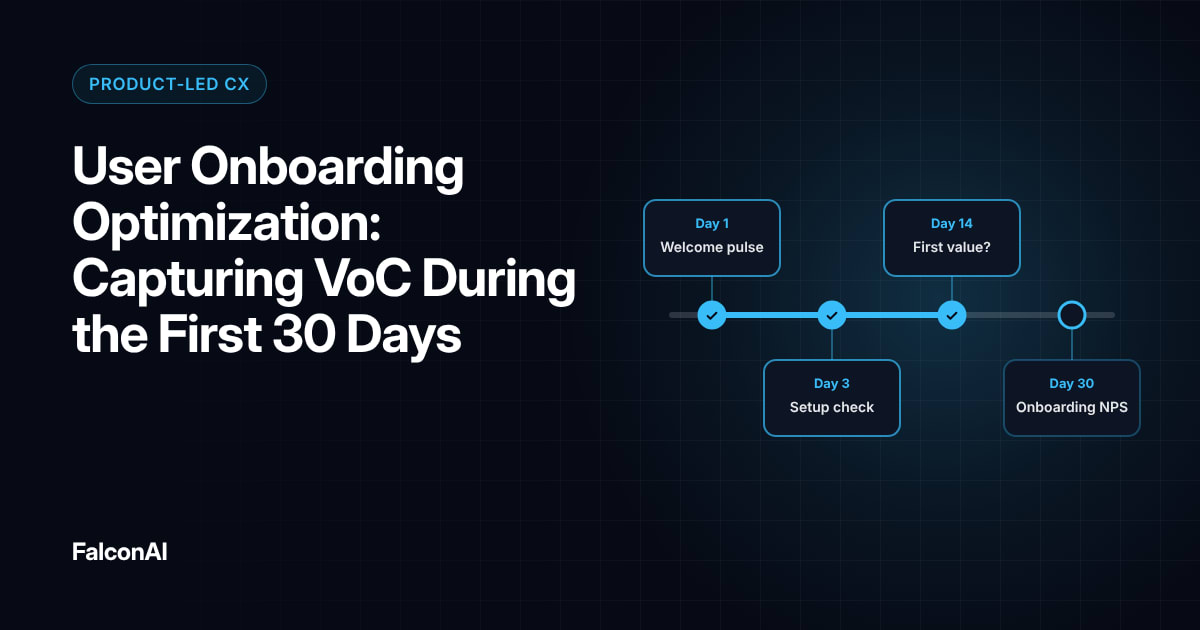
- After an onboarding step, ask right after the user completes it.
- For relationship surveys like NPS, ask at a steady point in the customer lifecycle.
Map these triggers to your customer journey so each touchpoint has one clear moment to ask.
Event triggers beat calendars
A 2025 benchmark study of 1,382 in-app surveys put the average response rate at 27.52%. The study found that prompts after meaningful actions outperform random, time-based prompts. Customers answer when the question matches what they just did.
One clear moment per touchpoint
- Support case closes: ask within an hour
- Purchase: ask once the item arrives
- Onboarding step: ask right after it's done
- NPS: a steady point in the lifecycle
Avoid the Wrong Moments
Don't survey someone in the middle of a task or right after an error you haven't fixed. You'll capture frustration with the interruption instead of the experience. Skip customers with open support cases when you send relationship surveys. If you've just resolved a problem, ask right away to capture how the fix landed. Follow up a few weeks later to see whether it held.
Respect the clock
Time zones matter for email and SMS. A message that lands at 3 a.m. gets buried by morning. Schedule sends for local business hours so your request arrives when people can answer.
Wrong moments and right ones
Avoid
- In the middle of a task
- Right after an error you haven't fixed
- Open support cases, for relationship surveys
- A message that lands at 3 a.m.
Aim for (the approach the article favours)
- The experience is complete, memory still fresh
- Right after resolving a problem
- Local business hours
Free review snapshot
See what your customers are saying, before you talk to us.
No commitment. We use your details only to send your snapshot and follow up. Privacy policy
Test and Adjust
Every audience responds a little differently. Run small tests with different delays and compare response rates and answer quality. Longer, more specific comments are a good sign the timing works. Keep each test running long enough to cover a full business cycle. A week of data can mislead if it includes a holiday or a product launch.
Keep contact limits in place
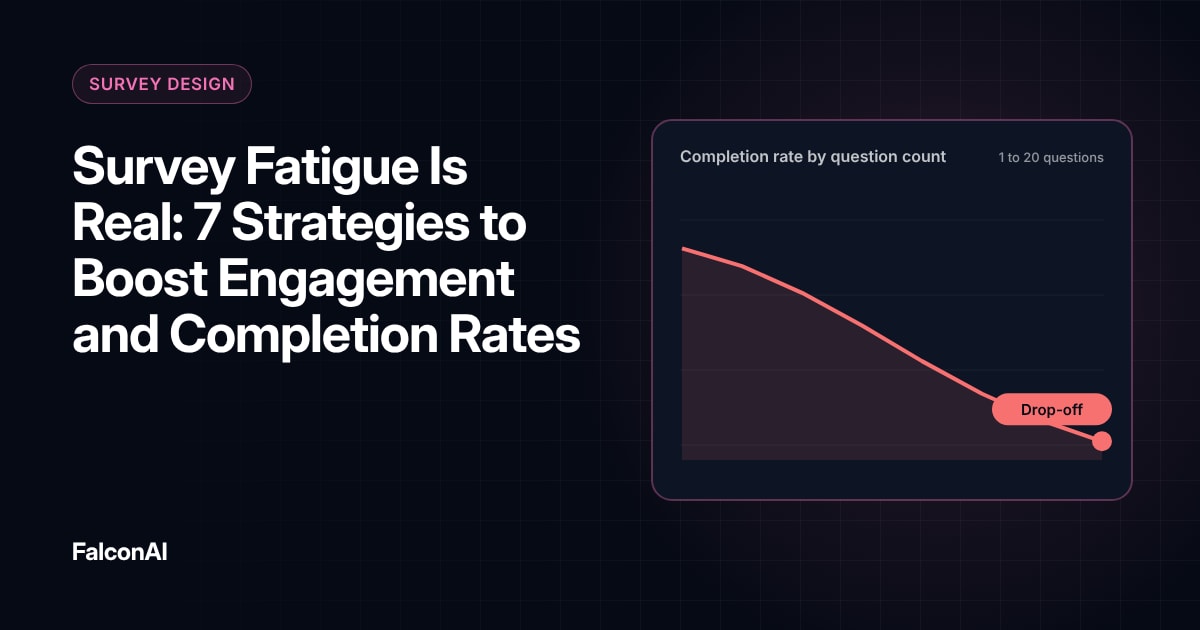
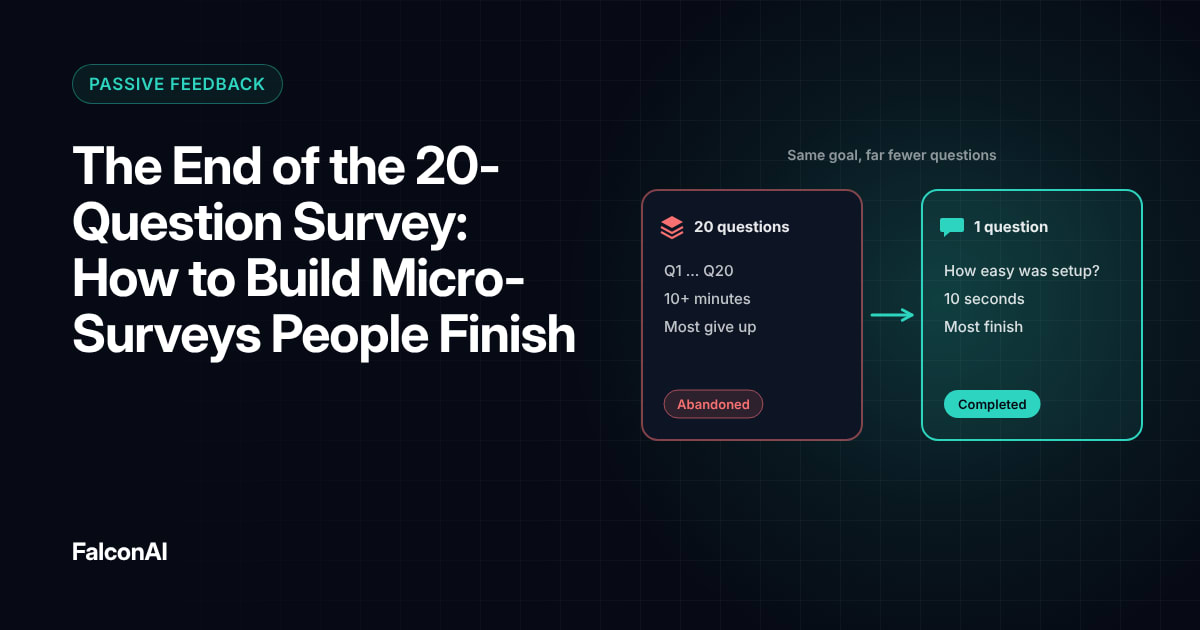
Even perfect timing fails if customers hear from you too often. Our guide to survey fatigue explains how to set limits. Our post on micro-surveys covers short prompts in the moment, and our guide to onboarding feedback shows timing in practice. You can compare feedback by touchpoint in CSAT analysis, or book a demo.
Frequently asked questions
When is the best time to send a customer survey?
Right after the experience you want to measure, while the details are still fresh.
How soon after a support case should you ask for feedback?
Within an hour of the case closing works well for most teams.
Are event-based triggers better than scheduled surveys?
Usually. Prompts tied to meaningful actions tend to get more responses than random ones.
When should you avoid sending surveys?
Avoid interrupting a task or asking right after an error you haven't fixed.
Does time of day matter?
Yes, for email and SMS. Send during the customer's local business hours.
How do you test survey timing?
Try different delays with small groups and compare response rates and comment quality.