Patients don't experience healthcare as a series of transactions. They experience it while they're worried or in pain, often while caring for someone else. Feedback programs in healthcare have to respect that, and they have to protect patient privacy at every step.
Why Patient Feedback Matters
Patients are more willing to switch than many providers assume. Accenture research summarized by the American Hospital Association in 2024 found that about one in five consumers had switched providers in the past year. Nearly 90% of those who switched said the organization was hard to do business with.
Ease drives loyalty
The same research found that patients who found providers easy to work with were 84% more likely to stay. Access issues like scheduling and billing often matter as much as clinical care in that decision. Feedback is how you find out where those access problems are. A clinic with excellent doctors can still lose patients over a phone line nobody answers. Patient comments point straight at those gaps, often in the patient's own words, which makes them easier to share with the teams who can help.
- One in fiveconsumers switched providers in the past yearSource: Accenture, via the AHA
- Nearly 90%of switchers said it was hard to do business withSource: Accenture, via the AHA
- 84%more likely to stay when providers are easy to work withSource: Accenture, via the AHA
Figures as cited in this article
Build Privacy Into the Program
Patient feedback can include health details. Treat it as sensitive data from the start. Work with your compliance team before you launch any survey or text analysis tool, and review the setup again whenever you add a new channel.
Practical safeguards
Here are steps most healthcare teams take:
- Limit who can see feedback that names a patient or a condition.
- Remove personal details from comments before wider sharing.
- Use tools that meet your organization's privacy and security requirements.
- Keep clear records of how feedback data is stored and used.
Practical privacy safeguards
- Limit who sees feedback naming a patient or condition
- Remove personal details before wider sharing
- Use tools that meet your privacy requirements
- Keep records of how feedback is stored and used
Ask With Empathy
Time requests carefully
Avoid asking for feedback at difficult moments, such as right after a hard diagnosis. Ask after routine visits or once a patient is home and recovering. A follow-up a few days later often gets more thoughtful answers.
Keep the language human
Use plain words and short questions. Thank patients for their time. Tell them how their feedback will be used, since people answer more openly when they know it leads somewhere. A survey that sounds like a billing form gets ignored.
Free review snapshot
See what your customers are saying, before you talk to us.
No commitment. We use your details only to send your snapshot and follow up. Privacy policy
Act on What Patients Tell You
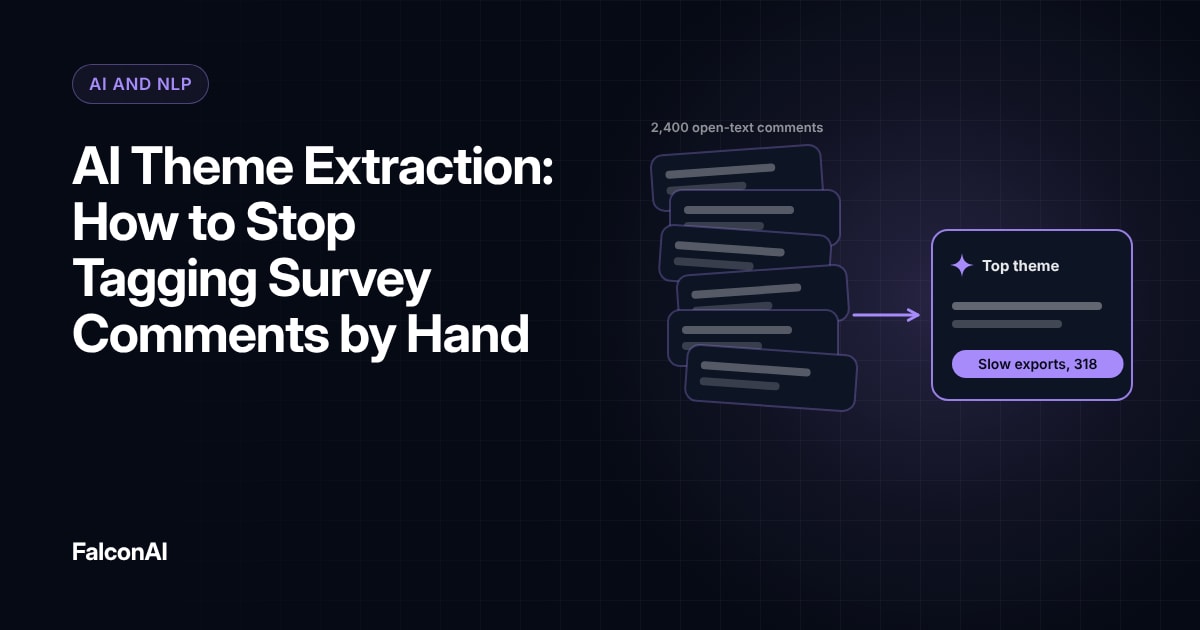
Feedback about access problems should reach the teams who can fix them, such as scheduling or billing. Group comments by theme so you can see patterns across clinics. Our guide to AI theme extraction shows how.
Patients have less patience than they used to. Zendesk's 2025 CX Trends Report found that 63% of consumers would switch to a competitor after one bad experience. In healthcare, that might mean a new clinic or a different specialist.
Close the loop with care
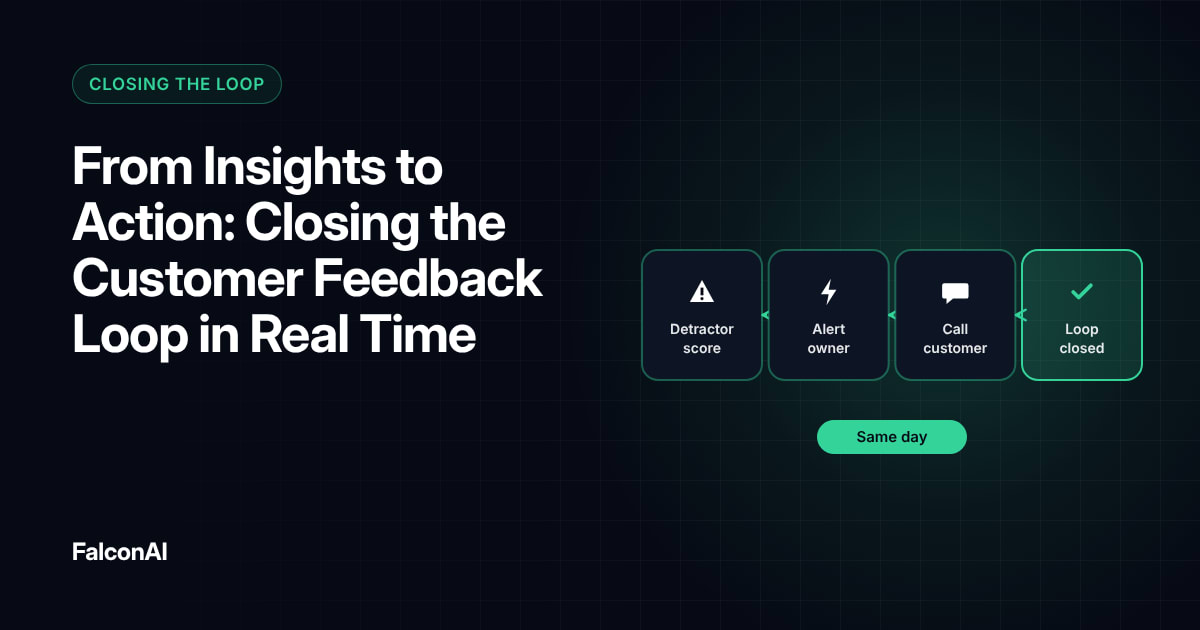
When a patient raises a serious concern, a staff member should follow up personally and quickly. Our post on closing the loop in real time covers how to route these cases. For complaints that suggest a safety issue, follow your organization's clinical escalation process. You can track patient themes in CSAT analysis, or book a demo.
Frequently asked questions
Why do patients switch healthcare providers?
Many switch because the organization is hard to do business with, especially around access and billing.
How do you keep patient feedback compliant?
Work with your compliance team, limit access to identifiable feedback and use tools that meet your privacy requirements.
When should you ask patients for feedback?
After routine visits or once patients are home, and not at emotionally difficult moments.
Can you use AI to analyze patient comments?
Yes, if the tool meets your organization's privacy and security requirements. Remove personal details where you can.
Who should respond to patient complaints?
A staff member close to the patient's care, with clinical escalation for any safety concerns.
How do you make surveys feel empathetic?
Use plain language and keep surveys short. Explain how the feedback will help.