Winning the first order is expensive. Winning the second one should be easier, but post-purchase friction gets in the way. A late delivery or a painful return can undo all the work your marketing team did to bring that customer in.
Where Post-Purchase Friction Shows Up
Friction doesn't end at checkout. Baymard Institute's research puts the average documented cart abandonment rate at 70.22%. Among shoppers who left for a reason, 20% named slow delivery. Another 13% named an unsatisfactory return policy. Those same issues follow customers after they buy. A shopper who worried about delivery times at checkout will notice every delay once the order is placed. Feedback after purchase tells you whether your promises held up.
The moments that matter
Most post-purchase friction happens in a few places. Delivery is the first. Returns and refunds are the second. Customers who hit trouble in either one are far less likely to come back, and they often tell other shoppers about it in public reviews.
- 70.22%average documented cart abandonment rateSource: Baymard Institute
- 20%of shoppers who left named slow deliverySource: Baymard Institute
- 13%named an unsatisfactory return policySource: Baymard Institute
Figures as cited in this article
Collect Feedback at the Right Moments
Ask soon after each key moment, while the experience is fresh:
- Shortly after delivery, ask about the product and the packaging.
- After a return or refund, ask how easy it was.
- After a support contact, ask whether the issue was solved.
- A few weeks later, ask whether the product met expectations.
Read the comments behind the scores
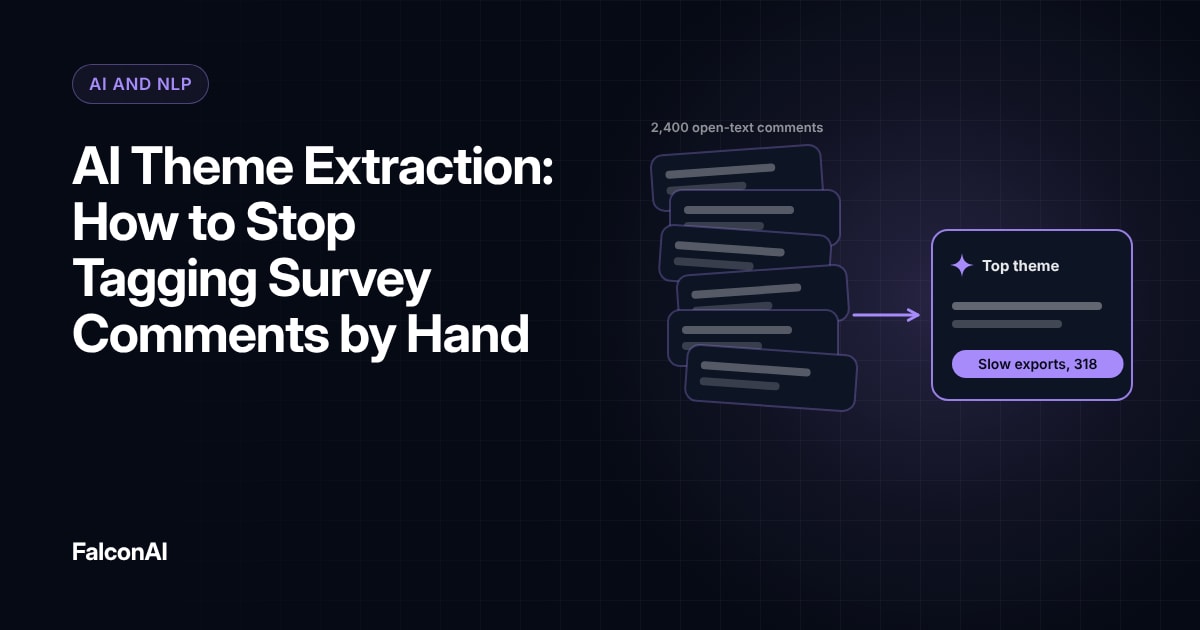
A low delivery score tells you something went wrong. The comment tells you what. Group comments by theme to see whether problems come from one carrier or one warehouse. Our guide to AI theme extraction explains how to do this without tagging by hand.
Ask after each key moment
- Shortly after deliveryThe product and the packaging
- After a return or refundHow easy it was
- After a support contactWhether the issue was solved
- A few weeks laterWhether it met expectations
Fix What Drives Customers Away
Customers have little patience. Zendesk's 2025 CX Trends Report found that 63% of consumers would switch to a competitor after one bad experience. In e-commerce, switching takes one click.
Respond to unhappy buyers quickly
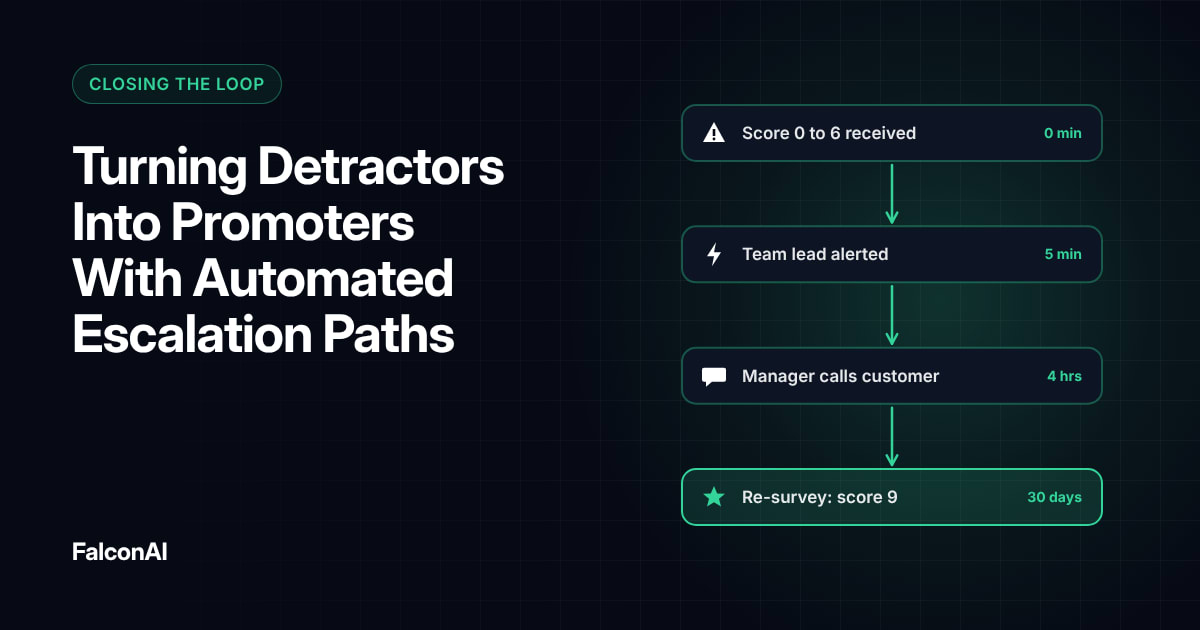
Reach out to customers who leave low scores after delivery or returns. A quick apology goes a long way. Pair it with a fix, such as a replacement or a discount on the next order, and you can often save the relationship. Our post on turning detractors into promoters covers how to set this up.
Fix the root cause
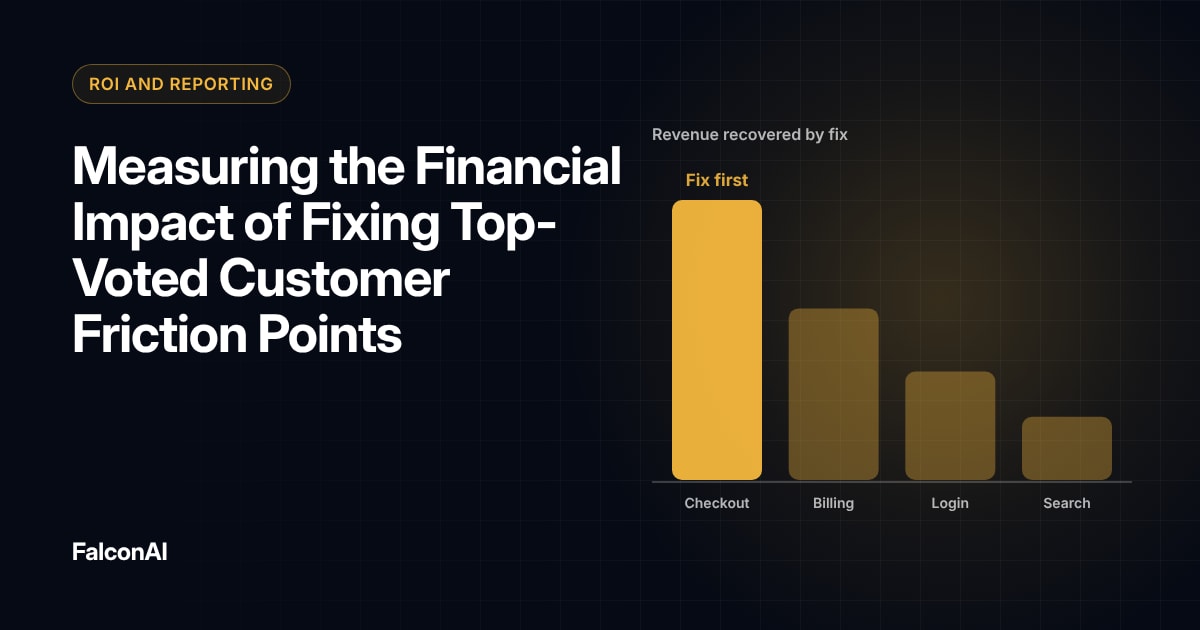
One-off apologies help one customer. Fixing the carrier or the return process helps everyone. Our guide to measuring the impact of fixing friction points shows how to prove the value to your finance team.
Saving one customer vs fixing the cause
Respond quickly
- Reach out after low scores
- Apologize and pair it with a fix
- Helps one customer
Fix the root cause (the approach the article favours)
- Fix the carrier or return process
- Helps everyone
Free review snapshot
See what your customers are saying, before you talk to us.
No commitment. We use your details only to send your snapshot and follow up. Privacy policy
Measure Repeat Purchase by Experience
Track repeat purchase rate for customers who gave high and low post-purchase scores. The gap shows what each friction point costs you. Share it with the teams who own delivery and returns, since they can close it. You can see post-purchase feedback by theme in CSAT analysis, or book a demo.
Watch public reviews too
Unhappy buyers often skip your survey and post a review instead. Add product and store reviews to your analysis so you catch problems that never reach your inbox. Reply to negative reviews with a fix where you can. Other shoppers read those replies, and a helpful answer can win back trust you'd otherwise lose.
Frequently asked questions
When should e-commerce brands ask for feedback?
Soon after delivery, after returns, after support contacts and a few weeks after purchase.
What causes the most post-purchase friction?
Late deliveries and difficult returns are common causes. Your own feedback will show which matters most for your customers.
How do you turn a bad experience into a repeat order?
Respond quickly with a fix. A small offer on the next order often helps the customer come back.
Should you analyze product reviews?
Yes. Reviews often contain feedback that never reaches your surveys.
How do you measure the cost of friction?
Compare repeat purchase rates for customers with good and bad post-purchase experiences.
Who should own post-purchase feedback?
The teams that own delivery and returns, with a CX lead tracking themes across them.